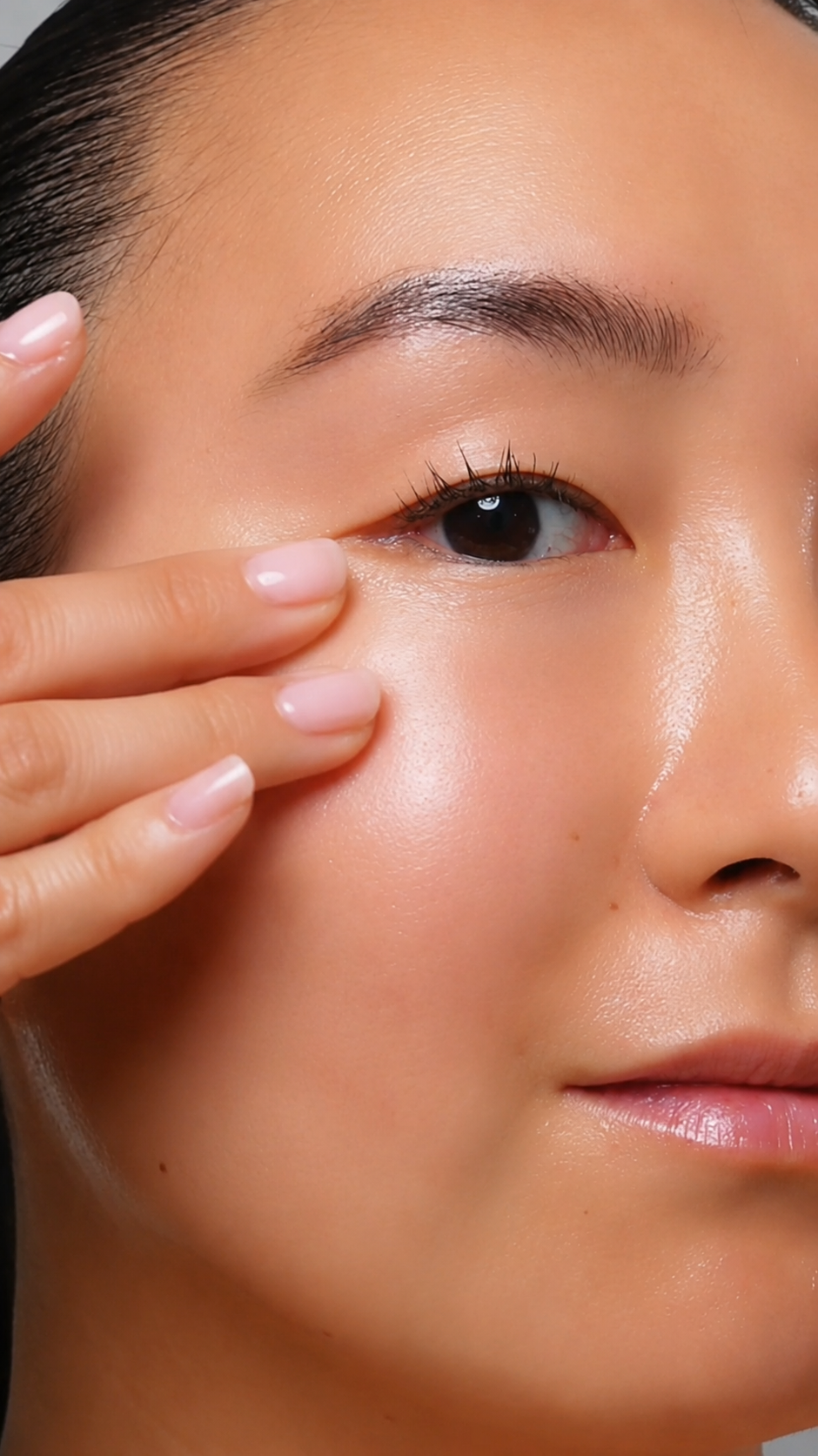
5 Eczema Treatments That Will Calm Your Angry, Itchy Skin
By Maressa Brown | Health and Beauty Editor at Self
Grappling with eczemaโan inflammatory skin condition that can cause relentless itchiness, extreme dryness, angry rashes, scaly patches, and even blistersโcan sometimes feel like an uphill battle. Even if you purge your medicine cabinets of the zillions of perfumed lotion samples youโve accumulated over the years, you might still find yourself scratching insatiably. The struggle sucks, but youโre not alone. More than 31 million people in the US have eczemaโand many of them find ways to care for their skin and get relief, just as you will too.
While the causes of eczema can vary from person to person, people prone to developing it tend to have a weak skin barrier that allows bad stuff to creep into the body (a.k.a. allergens, bacteria, and viruses) while good things exit (a.k.a. moisture).1 At the same time, people with eczema often have overactive immune systems that can spur skin to freak out simply in the presence of an allergen, even without actual contact, Amy Freeman, MD, a board-certified dermatologist in Millburn, New Jersey, tells SELF. Your environment (like frigid or swampy weather) can also set off symptoms, according to the National Eczema Association.
As you probably already know, the urge to dig your nails into your skin can really screw with your quality of life, Dr. Freeman says. โIt can be very uncomfortable and lead to sleepless nights,โ she explains. โIt could also affect work and school.โ
While avoiding your personal triggers can help prevent flare-ups, you should see a dermatologist if your skin is persistently stressing you out. Here are five eczema treatment options worth talking to them about.
1. Over-the-counter moisturizers
Whether youโre dealing with a mildly annoying or straight-up painful case of eczema, you need to moisturize, Dr. Freeman explains. Your skin is in constant jeopardy of drying out. โBy moisturizing, youโre adding back hydration [and] protecting the skin barrier so you wonโt be as susceptible to outside pollutants and allergens,โ she says, adding that these substances will just make irritation worse if your skin is freaking out.
Your dermatologist can offer recs about the best eczema cream for your symptoms, but there are helpful ingredients to scan for in a potential product, including those meant to hydrate by pulling water into the skin (humectants like hyaluronic acid and glycerin), restore and calm angry flare-ups (like ceramides and colloidal oatmeal), and protect the skin by locking in moisture (occlusives like petrolatum).
Dr. Freeman favors Vanicream and CeraVe Moisturizing Cream as solid picks, while Ramya Garlapati, MD, a board-certified dermatologist in Glendale, California likes Cetaphilโs Eczema Restoraderm Flare-Up Relief Cream, which contains colloidal oatmeal. (You can also find oatmeal in Aveeno Eczema Therapy Daily Moisturizing Cream.)
Just be sure that the product youโre using (whatever it may be) doesnโt contain fragrances or essential oils, as those ingredients can sometimes trigger flare-ups, according to the National Eczema Association. (Your doctor may also advise an in-office skin patch test to help identify your unique ingredient triggers.)
Dr. Freeman suggests applying your moisturizer after showering while your skin is still dampโideally within three minutes of hopping outโto help stop all that hydration from escaping. โPartially dry off and apply a liberal amount all over the whole body, every day, preferably twice a day,โ she advises.
2. Prescription-strength creams
Sometimes OTC moisturizer wonโt cut it, says Dr. Freeman. Thatโs when a prescription-strength corticosteroid creamโwhich helps to suppress the inflammatory cells that cause your skin to bug outโmight help in the short term. Just be sure to use these exactly how your doctor prescribes them, and to raise a flag if symptoms seem to get worse.
Sometimes, though, a steroid cream might not do the trick, or your eczema pops up in a particularly sensitive spot, like your groin, eyelids, or face. Steroid creams can also cause skin thinning when used excessively, so your doc should go over that possible risk with you if your eczema hits an already-vulnerable area. If you have these concerns, your doctor might recommend a different class of anti-inflammatory ointments or creams that arenโt as potent and therefore can be used longer-term, Divya Shokeen, MD, a Glendale, Californiaโbased dermatologist, tells SELF. Here are the three most common:
Topical calcineurin inhibitors (TCIs): They help to prevent your immune system from switching on in the presence of a trigger.
Topical PDE4 inhibitors: These also suppress an overactive immune system.2
JAK inhibitors: This treatment stops your body from sending out inflammation signals.
These options can be more expensive than steroid creams, explains Dr. Freeman,3 โbut theyโre well tolerated.โ
3. Oral medications
If youโre itching all over or if creams just arenโt cutting it, an oral medication might be the way to go, says Dr. Shokeen. Typically you have two types to choose from: oral steroids (which can calm your immune system and tame inflammation to give immediate relief during flare-ups) and nonsteroidal immunosuppressant oral medications (which keep the immune system from continuously flipping out over the long haul, explains Dr. Garlapati).
Unless itโs totally unavoidable, many doctors generally try to avoid prescribing oral steroids because of their (sometimes) uncomfortable side effects if theyโre used long-term. Still, steroids might be a fast-acting solution to consider if youโre in the throes of a hellish flare-up. But youโll probably still need to see a doctor regularly for lab work when youโre on them, just to make sure youโre responding well to the medication.4
Nonsteroidal immunosuppressant oral medications arenโt always free of side effects, though. Some people who take them report having upset stomachs, headaches, and fatigue, among others. (Basically, itโs super crucial to take these, like any other prescription treatment for eczema, under the close supervision of a derm.)
4. Phototherapy
According to Dr. Shokeen, phototherapy (a.k.a. ultraviolet (UV) light therapy) is an ideal treatment when your skin canโt really handleโor isnโt responding toโtopical creams or oral medications.5 During a treatment session, youโor the specific body parts affected by eczemaโare exposed to filtered wavelengths of UV light for a few minutes, which can help calm down immune system cells that are causing inflammation. Though you typically need steady treatment for a month or two before seeing results, it can be really positive, she says. โThe most common risk is sunburn or reddening of the skin,โ Dr. Freeman explains. (Itโs important to note that phototherapy is done in a dermatologistโs office and never a tanning bed!)
5. Biologics
Biologicsโinjectable medications that calm the immune system and reduce inflammationโare considered a last-ditch treatment for eczema when other remedies havenโt worked, according to all the dermatologists SELF spoke with. But if youโre really suffering, they can sometimes be a game-changer for your skin: โBiologics have been a life-changing treatment for patients with stubborn eczema thatโs chronic and relapsing,โ6 explains Dr. Freeman. โThey keep the immune system from overreacting, which lowers inflammation and decreases the symptoms of eczema.โ
In general, you wouldnโt try this method unless topical treatments werenโt a fit, notes Dr. Garlapati. Biologics tend to come with some side effects, require regular injections (either at home or at a doctorโs office), and can be pricey, says Dr. Shokeen, which โmay be a concern for individuals with limited time or resources.โ
No matter which route you take, Dr. Shokeen says itโs crucial to speak up when your eczema treatment feels like itโs doing too little (or maybe too much, as far as side effects go). Dealing with itchy, irritated skin that youโve had trouble soothing isnโt easy. But if a particular medication isnโt working, rest assured thereโs something else (and something else beyond that) to try. You and your dermatologist will get there eventuallyโand your endless scratching wonโt be so endless after all.
The Weird Correlation Between Algae & Acne
By Megan Decker | Health and Beauty Editor at Refinery 29
The first thing Sofie Pavitt, NYC esthetician also known as the "acne whisperer," asks her clients who come in with persistent breakouts is what their skincare and makeup routine looks like. This is so she can identify and remove all the potentially comedogenic products.
Pavitt explains that comedogenicity, the measure of how likely an ingredient is to clog your pores, is less about specific ingredients and more a reflection of the formulation of a product โ which makes buying beauty products both a risk and a headache. Moreover, there's a lot of contrary information. For example, certain ingredients touted as "natural" and "good for your skin's microbiome" are also the same ones that Pavitt will look at and say: Actually, that could be what's breaking you out. Algae extracts, in particular, require a slight disclaimer: If you're acne prone, proceed with caution.
The benefits of algae in skincare
Let's start by addressing the benefits of using algae on your skin. For many people, it's fantastic and there's no cause for any concern when consuming seaweed or spirulina (a type of blue-green algae in greens powder), or using a topical skincare product that has algae on the label. "Algae extracts are rich in vitamins, minerals, and antioxidants," explains dermatologist Divya Shokeen Khalsa, MD, FAAD. The antioxidant properties in algae are particularly impressive โ and we know antioxidants are like bubble wrap for your skin, helping protect against environmental damage and reduce inflammation. Moreover, while there are hundreds of different types of algae, Pavitt says that in general, most will act as a humectant, bringing hydration to the skin, which is great, especially if you're dry.
Algae is also a player in the conversation around microbiome-friendly skincare. "The impact of algae on the skin's microbiome is still an area of ongoing research," explains Dr. Shokeen Khalsa. "It is thought that certain compounds present in algae may have antimicrobial or prebiotic properties [prebiotics are a source of food for bacteria], which may help balance the microbiome and promote a healthy skin environment."
Why algae is controversial for acne-prone skin
Now, algae sounds like a great addition to a skincare routine. But some people have to be careful with it. Nikki DeRoest, makeup artist and the co-founder of a new SPF-makeup brand called Ciele, self-identifies as very acne-prone. DeRoest explained that when creating a skincare product that would sit on people's skin, it was imperative she remove all potentially comedogenic ingredients. One ingredient she was adamant about removing, you guessed it, algae. "It's very popular in beauty products โ both algae and coconut oil derivatives โ but I can't put those on my face or I'll break out," DeRoest tells me.
Commonplace comedogenic ingredients include isopropyl alcohol, cocoa butter, coconut oil, synthetic perfumes, and essential oils. But algae surprised me. "Yes, some types of algae can be comedogenic, meaning they have the potential to clog pores and contribute to the formation of acne," explains Dr. Shokeen Khalsa. "While it is difficult to generalize, certain types of algae and certain formulations that involve heavy oils or emollients may have a higher comedogenic potential than others. Especially formulations with castor or coconut oil."
According to dermatologist Brendan Camp, MD, the comedogenic potential of algae is controversial, which is likely why there's not a lot of information about it. "There are reports that suggest [algae] can help reduce inflammation associated with acne, and others that suggest it can encourage the production of acne because of its high iodine content," explains Dr. Camp. His general guidance: "If you have acne-prone skin and you are using an algae containing product that does not exacerbate your acne, you do not need to discontinue use of it," offers Dr. Camp. "Tread carefully if you have acne-prone skin and are starting a new product that contains algae, as some reports suggest it can contribute to acne formation."
The problem with algae supplements
In Dr. Shokeen Khalsa's practice, adverse acne reactions specifically attributed to topical forms of algae are relatively rare. Pavitt says that spirulina supplements or greens powder containing blue-green algae can commonly trigger acne, due to the aforementioned high iodine content. "Although algae is touted as a highly nutritious food and ingredient with anti-inflammatory attributes and antioxidants, itโs also packed with iodine, which can absolutely break you out," Pavitt explains. "Excessive iodine, when consumed in foods or supplements, gets excreted through the pores which causes irritation." Iodine, a trace mineral commonly found in seaweed, seafood, iodized salt, vitamin supplements, and greens powder has been linked to acne.
It's ironic, too, because Pavitt explains that many people who come to her with acne are taking a greens powder to try and clear their skin, when it's actually doing the opposite. "One of the first questions I ask someone with a persistent breakout is if they are using greens powder supplements," Pavitt says. "So many of them [contain] spirulina, which is algae. That can cause breakouts. Taking them off the greens powders that contain algae can be really helpful in clearing them up."
If you're acne prone, the skin experts recommend avoiding algae in skincare and supplements, considering its potential comedogenicity. "When I'm working with a client with active acne, itโs definitely an ingredient I tell them to avoid," offers Pavitt. It's not a huge dermatological concern but more like food for thought, and probably a topic we'll hear more about in the future. As Dr. Shokeen Khalsa notes, "A lot of research is still pending in this area."
Why Ceramides Are The Gold Standard For Skin Barrier Support
Why ceramides are essential for keeping your skin hydrated, seal in moisture and hold skin cells together according to dermatologist.
By Carolyn Steber | Health and Beauty Editor at Hustle
If your skin care routine feels like it's missing something, it could very well be a ceramide. This hero ingredient isnโt as flashy as hyaluronic acid or niacinamide, but it does all the behind-the-scenes work when it comes to giving you glowy, hydrated skin.
Ceramides are fatty molecules that play a vital role in the health of your skin, especially when it comes to protecting the all-important moisture barrier. โIf you think of the skinโs moisture barrier as a brick wall with the skin cells being the bricks, ceramides are the glue or the mortar that holds the skin cells together,โ says Dr. Azadeh Shirazi, M.D., a board-certified dermatologist.
These naturally occurring fats, or lipids, are found in the outermost layer of your epidermis. Apart from holding skin cells together, they also help to seal in moisture so your face and body stay protected from the elements, says Dr. Divya Shokeen, M.D., a board-certified dermatologist.
Youโll know you need to boost your ceramides if you experience signs of skin barrier disruption, like dryness, breakouts, itching, redness, or dullness in your skin texture, Shirazi tells Bustle.
Luckily, ceramides can be found in countless moisturizers for the face and body, so itโs easier than ever to add them to your beauty regimen. Hereโs everything to know about using ceramides, straight from dermatologists.
What Do Ceramides Do For The Skin?
Ceramides are the main character when it comes to protecting your skin, which is why theyโre a must-have in cooler weather. According to Shokeen, ceramide-rich products help reduce moisture loss on cold days by trapping hydration in, so your skin feels more comfortable.
The fatty molecules strengthen your skin barrier and keep the good stuff โ like moisture โ in, while they also help keep the bad stuff out, says Shirazi. Think irritants, allergens, and pollution.
Ceramide-rich products also increase hydration so that your skin looks shiny, smooth, and supple, notes Shokeen. On top of that, theyโre MVPs at calming your complexion. โCeramides aid in reducing inflammation, soothing irritated or red skin, and can potentially help improve conditions like rosacea and eczema,โ Shokeen says.
Are Ceramides Safe To Use?
According to Dr. Brendan Camp, M.D., a board-certified dermatologist with MDCS Dermatology, anyone can benefit from using ceramides, as theyโre a natural component of skin โ and are generally safe for all skin types to use. Heโs also a big fan of how they help skin tolerate other active ingredients, like retinol, by helping to boost moisture.
While too much of anything is never a good idea, Shirazi says itโs hard to overdo it with ceramides. Theyโre typically found in moisturizers and other hydrating formulas, which are typically safe to smooth on all day as needed.
Are Essential Oils Bad for My Skin?
Read why Dermatologist Divya Shokeen, M.D., stresses caution, advises research and consultation, especially for sensitive skin before trying essential oils.
By Jennifer G. Sullivan | Health and Beauty Editor at The Cut
Youโre not the only one curious about essential oils. Eight of the ten top trending skin-care ingredients Americans are researching online are natural oils or extracts, according to a new report from ClearForMe, a tool online retailers use to make their productsโ ingredient lists more understandable (โessential oilsโ took the No. 5 spot). I think the increased interest online โ and your question โ stems from the same issue: Thereโs so much conflicting information!
If you look up essential oils on Google or TikTok, youโll see self-proclaimed doctors applying them incorrectly or calling them โfantasticโ because theyโre โfrom herbs and plants,โ right next to videos of doctors advising they shouldnโt be used on children and linking their use to acne. But thereโs nuance to this discussion that canโt be simplified with CapCut. โSome essential oils may be more irritating than others, so itโs important to do your research and consult with a dermatologist if you have any concerns,โ says Los Angeles area dermatologist Divya Shokeen, M.D. The only undisputed truth: You should never apply undiluted essential oils to your skin.
As for your homemade blend, whether itโs safe and effective depends on which essential oils youโre adding to the carrier oil (in this case, the jojoba oil) and in what concentration. โYou have to respect the natural potency of essential oils,โ says aromatherapist Denise LaPalm, founder of the bath and body brand LโBeauxtique. Your finished face- or body-oil formula should be only 1 to 2 percent essential oils, according to LaPalm and two dermatologists I consulted. โThatโs six to 12 drops per ounce of your carrier oil,โ LaPalm says.
Iโm assuming youโve been using your DIY concoction without any reaction or irritation; otherwise, you would have stopped. But any time you apply a new formula, you should do a patch test. โApply the oil blend to a small area of skin โ inside the forearm or behind the ear โ and leave it on for 48 hours to see how your skin will react,โ says Carmen Castilla, M.D., a dermatologist at New York Dermatology Group and a clinical instructor at Mount Sinai Hospital.
This may sound overly cautious, but itโs also a good idea to patch-test the oils you buy regularly, especially if you switch brands. โImproperly processed oils can contain impurities that are more likely to cause irritation,โ explains Castilla. โReputable brands often provide information on the processing, production, and sourcing of their essential oils, but itโs also possible to develop sensitivities over time, and itโs not uncommon to use a specific product for weeks or months before developing a sensitivity.โ
The experts I asked were hesitant to recommend specific brands because everybodyโs skin is unique and quality can vary between batches. But I like to buy my essential oils from a Seattle shop called Tenzing Momo. (I know thatโs a niche recommendation, but its French lavender smells divine and I use its arnica oil โ diluted โ to help bruises heal faster.) Iโve also heard good things about Eden Botanicals from aromatherapists. (Amy Galper, the author of The Ultimate Guide to Aromatherapy, told me about the company when I interviewed her on my podcast.)
As for which essential oils are โgood for your skin,โ it all depends on which benefits youโre after; the aroma of lavender essential oil reduces anxiety, while chamomile oil can be anti-inflammatory when applied topically. For what itโs worth, those are the only essential oils that dermatologists Shokeen and Castilla mentioned as generally safe to use at home (when diluted properly and patch-tested!). Thatโs not to say you canโt experiment with others; just proceed with caution. And to be on the safe side, avoid messing around with essential oils of lemon verbena, lemongrass, cinnamon bark, oregano, thyme, and clove. โThose are pretty potent and can be irritating,โ says LaPalm. โLeave them to someone well versed in aromatherapy or formulation.โ
If your homemade jojoba blend adheres to all the guidelines above, then itโs probably safe to keep using it. But if you have sensitive skin or a condition like eczema or psoriasis that compromises your skin barrier, you really shouldnโt be DIY-ing. I understand the temptation: Since you canโt be sure of the exact ingredients and concentrations of the products you buy in stores, you may want to take matters into your own hands. But if youโre sensitive, essential oils can be even worse for you than more obvious irritants like lab-created actives. โRetinol and AHAs can also be irritating for sensitive people, but when compounded correctly, they can be used occasionally without much issue,โ says Shokeen. โBut essential oils, even at low concentrations, can create major allergic reactions.โ
The 15 Best Shampoos for Chlorine Removal, According to Grooming Editors
Shield your hair from chlorine damage. Explore top recommendations from expert dermatologists, like shampoos with EDTA and sodium thiosulfate to remove chlorine buildup.
By Joseph Cheatham | Health and Beauty Editor at Menโs Health
This summer may call for a dip in the pool, but swimming in chlorine can take a toll on your hair. Chlorinated water can turn your hair dry, brittle and discolored. In order to protect your mane, we recommend rinsing it off with the best chlorine shampoos.
The doctors we spoke with recommend thoroughly washing your hair after swimming in a chlorinated pool. According to Dr. Divya Shokeen, MD, a California-based board-certified dermatologist, the best chlorine shampoos contain EDTA (ethylene diamine tetra-acetic acid) and sodium to help remove chemical buildup. Plus, these hero ingredients neutralize chlorine residue to keep your head healthy and chlorine-free.
And because pool water can dry out your hair, Shokeen says to look for chlorine shampoos with hydrating ingredients like shea butter, coconut oil, and sunflower oil. Ahead, we spoke with our panel of grooming editors and board-certified dermatologists on the best chlorine shampoos to shop now, and the best ways to remove chlorine from your hair.
How We Selected
For this story, we looked for shampoos that had chlorine-fighting ingredients like EDTA and sodium thiosulfate. We also prioritized formulas with moisturizing ingredients like shea butter, jojoba oil, and argan oil. Of course, for an added layer of hydration, we recommend following your shampoo with our editor-approved hair conditioners.
Pattern Beauty by Tracee Ellis Ross Hydration Shampoo
Chlorine can strip away the natural oils from your hair, leaving it dry, brittle, and weak. But Pattern is equipped to lock in and rejuvenate with supreme hydrationโthanks to a medley of moisturizing oils.
We love how this works better than ordinary shampoos to remove chlorine. Powered by a creamy, gentle formula, it softly lathers to make your scalp feel new again without losing moisture and stripping away nutrients. Also, it contains ingredients we love like matcha green tea and aloe vera, which help our hair look shiny and healthy.
What do buyers say? "I have short hair but it only takes a little for a good wash," says one amazon.com customer. "I like it because I donโt need conditioner."
OUAI's detox shampoo is the holy grail for extracting weeks and weeks of heavy chlorine buildup. Free of artificial dyes and parabensโthis concentrated shampoo has apple cider vinegar to exfoliate the scalp and push out any excess oil.
Our editors rave about how it deeply cleanses and returns your hair back to a neutral state. After using only a quarter size, we saw a significant decrease in the buildup. Additionally, hydrolyzed keratin is an active ingredient that helps soften and smooth your hair.
What do buyers say? "I was blown away immediately after the first try!" says one amazon.com customer. "I love how it lathers softly, doesn't have a strong scent, and makes my hair feel and look so healthy after!"
adwoa beauty Blue Tansy Clarifying Gel Shampoo
Say goodbye to shredding and breakage, and hello to healing hair. Infused with blue-tansy flower oil and rich extracts, this refining shampoo works to detox, nourish follicles and repair split ends.
After a long swim in the pool, we tested a few shampoos to revive our strands. But, none of them seem to outperform this vegan formula. It reboots and adds strength and shine to lackluster hair. Not to mention, the floral fragrance smells great.
What do buyers say? "I used this product and the shampoo took a bit of work to work into my hair but once I did, it was great and my hair is finally shiny and it has not knotted or been frizzy at all today," says one amazon.com customer.
Dphue Apple Cider Vinegar Hair Rinse
Sometimes it's easier to skip the hour-long, scalp-scrubbing shower and ply a rinse you can quickly douse your hair in. Enter dpHUE Apple Cider Vinegar Hair Rinse. The main ingredient is known for its chlorine-dissolving properties and restoring your hair's natural pH balance.
Carefully squeeze the formula across your wet scalp and massage it in. Allow it to sit for a few minutes and then rinse. It acts like a no-foam shampoo to clarify and cleanse your mane of gunk and impurities found in pool water.
"It is not messy and does not have a strong odor smell compared to the ACV at the grocery store," says one amazon.com reviewer. "My dry skin and dandruff buildup has been brought down significantly and my hair looks great."
Ouidad Water Works Clarifying Shampoo
Ouidad shampoo is a game changer during swim season. With a bevy of botanical and citrus extracts, this clarifying wash removes buildup of any kind and enhances the shape of your curls.
This product comes highly recommended by Dr. Brendan Camp, MD, board-certified dermatologist of MDCS Dermatology. He says Ouidad's formula helps fix brittle, dull hair to bring back that high shine.
"This shampoo is thorough enough to remove all the product buildup but gentle enough not to leave my hair dry and brittle," says one amazon.com reviewer. "Definitely worth the buy."
Blind Barber Lemongrass Tea Shampoo
This lemongrass tea shampoo avoids the use of sulfates (which can strip away too much moisture from your hair) and doubles as a body wash. Pool day or not, we found that it's gentle enough to use on a regular basis. It's enriched with natural ingredients like hops extract and juniper berry to wipe out product build-up and debris.
We've been fans of this shampoo for months now because it also helps our hair look thicker and shinier. Best of all, it makes our hair feel healthy, soft as a pillow and smell fresh and clean.
What do buyers say? "This brand is great! I don't have much hair, but this shampoo makes my scalp feel really clean without harsh ingredients," says one amazon.com customer.
UltraSwim Ultra Swim Chlorine Removal Shampoo
If you're looking for a budget-friendly shampoo that removes chlorine, this drugstore formula is right up your alley. In addition to getting rid of chlorine, Ultra Swim conditions and nourishes hair with moisturizing ingredients like Vitamin E and aloe.
This is also suitable for everyday swimmers, according to Dr. Rahi Sarbaziha, MD, a Beverly Hills-based Integrative Aesthetics Doctor. As a EDTA-based cleanser, it goes above average to remove copper deposits and other oxidized metals that can contribute to a greenish cast on lighter colored hair.
What do buyers say? "I swim a few times a week and have tried multiple products to get chlorine out of hair and off skin," says one amazon customer. "Ultra swim shampoo is the best especially for the price."
Spending all your time in the pool this summer? Ion has a chelating shampoo specifically formulated with swimmers in mind. Its vegan formula contains EDTA and vitamin Cโwhich help break down chlorine molecules and dissolve residue.
Some of our grooming editors, who are regular swimmers, swear by this product. It gets chlorine out of gummy and tangled hair better than a traditional shampoo. We recommend using it immediately before and after hopping in the pool. Be sure to follow with a conditioner.
What do buyers say? "It gets the chlorine smell off your skin way better than the body washes I've tried specifically designed for that purpose," says one amazon.com customer. "Ion shampoo does leave your skin a little bit dry but if they could increase the moisturizing properties just a tiny bit, they'd have a wonderful dual-purpose product."
If you want to keep your hair soft and pliable, the Odele balancing shampoo makes it easy to do so. This dermatologist-approved product is boosted with lathering cleansers and chelation technology to wash away residue from hard water deposits, and does a decent job of removing chlorine.
We've been using this as a weekly treatment, and our hair has never felt cleaner or healthier. In just one wash, you see a huge difference. Plus, its fragrance carries fresh notes of ylang ylang, oakmoss and cucumber, which smells amazing.
What do buyers say? "Clearly stripped your hair, clean of impurities and old product, but it also leaves it somehow feeling softer rather than dry and brittle," says one odelebeauty.com customer. "With super thin, fine hair this is the first shampoo that has somehow managed to do both for me. Super happy with this product!"
Malibu C Swimmers Wellness Shampoo
One of the many harsh effects of chlorine: it can turn blonde hair green. For our light-haired brothers, we recommend this formula from Malibu C, which is loaded with EDTA and Vitamin C, a two-in-one punch that removes chlorine and prevents green hair.
This product is an expert-approved pick and a staple for swimmers we consulted with. On top of mitigating chlorine damage, it defends against dryness to restore hair texture and vibrancy.
What do buyers say? "I have never again had to worry about post-swim tangles, discoloration, dryness, or damage while using this product," says one amazon.com customer.
10 Best Sunscreens for Sensitive Skin, According to Dermatologists
Navigating sun protection for sensitive skin can be tricky, given the need to avoid certain sunscreen types. To help, board-certified dermatologists offer advice on what to seek in a sunscreen suitable for sensitive skin.
By Sara Coughlin | Health and Beauty Editor at Self
If youโve ever embarked on the journey that is finding the best sunscreens for sensitive skin (or even a half-decent one), you probably already know there are some products you need to avoidโfragrance-laden lotions, creams with irritating active ingredients, and sprays that sap moisture. Luckily there are still plenty of options thatโll fit right into your skin care routine. We spoke with board-certified dermatologists about what makes a sunscreen good for sensitive skin types and which products are worth a try.
The best sunscreens for sensitive skin
Below, weโve selected the best sunscreens for sensitive skin, based on dermatologistsโ recommendations and glowing reviews from SELFโs own Healthy Beauty Award testers.
EltaMD UV Clear Face Sunscreen SPF 46
Best Overall
Pros: Formulated with sensitive skin in mind, good for acne-prone skin
Cons: On the pricey side
Blair Murphy Rose, MD, a board-certified dermatologist at Laser & Skin Surgery Center of New York, tells SELF that EltaMD is a great brand to try, noting that a lot of their sunscreens are made specifically for sensitive skin. โThey provide excellent broad-spectrum protection, plus skin-soothing and healing ingredients like niacinamide and vitamin E,โ she adds.
Active sun protection ingredients: octinoxate, zinc oxide | Fragrance-free: yes
Blue Lizard Sensitive Face Mineral Sunscreen SPF 30+
Best Drugstore
Pros: Relatively affordable, soothing formula
Cons: Some reviewers notice a white cast
โBlue Lizard Sensitive Sunscreen is a go-to for my babies, and itโs great for adults too,โ Dr. Rose says. In addition to hydrating hyaluronic acid, it also contains green tea extract, which can help with redness, inflammation, and irritation.
Active sun protection ingredients: titanium oxide, zinc oxide | Fragrance-free: no added fragrance
E.L.F. Holy Hydration! Sunscreen Face Cream SPF 30
Best for Dry Skin
Pros: Highly moisturizing, relatively affordable
Cons: May feel too thick for some people
For a gentle, ultra-hydrating chemical sunscreen, try E.L.F.โs SELF editorโapproved Holy Hydration! Face Cream. It has a nourishing but surprisingly quick-absorbing consistency, which means you can easily slather it on in the morning and head out the doorโand still feel well-moisturized by the end of the day.
Active sun protection ingredients: avobenzene, homosalate, octisalate, octocrylene | Fragrance-free: no
Bliss Block Star Daily Mineral Sunscreen
Best Lightweight
Pros: Good for oily and acne-prone skin, helps with uneven skin tone
Cons: Contains lavender oil (which may cause irritation for some)
Not only did Blissโs Block Star Daily Mineral Sunscreen win a 2021 SELF Healthy Beauty Award, but it was also recommended to SELF by Joshua Zeichner, MD, the director of cosmetic and clinical research in dermatology at Mount Sinai Hospital in New York City. He liked its lightweight mineral formula and very slight tint because it protects the skin and evens out its tone all at once. And people with acne-prone skin will appreciate that the Block Star Daily Mineral Sunscreen also contains rose hip oil, which can help reduce inflammation and the appearance of scars for some people.
Active sun protection ingredients: titanium dioxide, zinc oxide | Fragrance-free: no
La Roche-Posay Anthelios Ultra-Light Fluid Mineral Sunscreen
Best Fast-Absorbing
Pros: Lightweight formula, good for oily skin
Cons: Might not be nourishing enough for extra-dry skin
This broad-spectrum sunscreen from La Roche-Posay is recommended by the Skin Cancer Foundation, and it was previously recommended to SELF by Marisa Garshick, MD, a board-certified dermatologist and clinical assistant professor of dermatology at Weill Cornell Medical College in New York City. She noted that the formula has a very thin, liquid consistency that helps it absorb more effectively. Plus it leaves a matte finish, which is a perk if your skin is on the oilier side.
Active sun protection ingredients: titanium dioxide, zinc oxide | Fragrance-free: yes
SkinCeuticals Physical Fusion UV Defense SPF 50
Best High-End
Pros: Blends well, a little goes a long way
Cons: On the pricey side
A little goes a long way with this mineral sunscreen from luxe (and derm-approved) brand SkinCeuticals. โIt dispenses really easily and it blends in pretty wellโplus a small amount shields the whole face,โ David Kim, MD, a board-certified cosmetic dermatologist at Idriss Dermatology in New York City, previously told SELF. The elegant formula also contains the antioxidant vitamin E to soften skin and further protect it from the sunโs rays.
Active sun protection ingredients: titanium dioxide, zinc oxide | Fragrance-free: yes
Elta MD UV Stick Broad Spectrum SPF 50+
Best Stick SPF
Pros: Easy to apply, travel-friendly
Cons: Some reviewers report it feels thick on their skin
If you love the convenience of a solid sunscreen, EltaMDโs UV Stick is a great option (though Dr. Rose cautions that the friction from applying a stick sunscreen can be irritating to some people with sensitive skin). Itโs non-comedogenic (meaning it is formulated to reduce the risk of clogged pores and breakouts), fragrance-free, and made with nourishing butters, oils, and waxes to help it glide onto skin easily.
Active sun protection ingredient: zinc oxide | Fragrance-free: yes
La Roche-Posay Anthelios Tinted Sunscreen SPF 50
Best Tinted
Pros: Lightweight, easy to layer
Cons: Thin consistencyโmight not feel as moisturizing as some would like
Dendy Engelman, MD, a board-certified cosmetic dermatologist and Mohs surgeon at Shafer Clinic in New York City, previously recommended this oil-free, sensitive-skin-friendly tinted sunscreen to SELF. It blends well, andโaccording to reviewersโit doesnโt cake, so you can wear it alone or under makeup.
Active sun protection ingredient: titanium dioxide | Fragrance-free: yes
รminence No.0 Translucent Sun Defense Minerals
Best Powder
Pros: Good for oily skin, travel-friendly
Cons: Pricey, not a true alternative to facial sunscreen lotion
A powder sunscreen like this hypoallergenic, water-resistant option from Eminence makes it easy to reapply your SPF. And if you deal with oiliness, itโll help your skin feel matte and less greasy throughout the day. Itโs important to note that it can be tricky to tell if youโve applied enough product when using a powder, and that powders tend to rub off faster than other types of sunblock, so dermatologists donโt consider powders a full replacement for regular old lotion SPF.
Active sun protection ingredient: zinc oxide | Fragrance-free: no
Versed Guards Up Daily Mineral Sunscreen SPF 35
Best for Avoiding a White Cast
Pros: Blends well, good for dry skin
Cons: Some reviewers notice pilling
The Guards Up Daily Mineral Sunscreen from Versed won a 2021 Healthy Beauty Award, in part for its non-irritating active ingredient (zinc oxide), but also for its added moisturizers like glycerin, vitamin E, and hyaluronic acid. Plus our testers with darker skin tones found that it blended in easily, without leaving a white cast. If your skin is both dry and sensitive, give this quick-blending sunscreen a try.
Active sun protection ingredient: zinc oxide | Fragrance-free: no added fragrance.
What should you look for in a sunscreen thatโs suitable for sensitive skin?
If you have sensitive skin, itโs not uncommon to struggle with finding a sunscreen thatโs both effective and non-irritating, Divya Shokeen, MD, a board-certified medical, surgical, cosmetic dermatologist, and founder of Ocean Skin & Vein Institute in Manhattan Beach, California, tells SELF. Paying close attention to a productโs ingredient list and formula can make your search a little easier.
Ingredients
Chemical sunscreens (which prevent sunburns by absorbing and dissipating the heat from the sunโs ultraviolet, or UV, rays) contain active ingredients like oxybenzone or octinoxate that can be harsh on the skin, explains Dr. Shokeen. They may cause stinging, redness, and other signs of an allergic reaction, especially among people with certain skin conditions, including rosacea and eczema.
Alternatively there are mineral sunscreens, which Dr. Shokeen recommends for sensitive skin. Also known as physical sunscreens, these products actually block UV rays from penetrating the skin when applied properly, as SELF previously reported. Zinc oxide and titanium dioxide are the two most common active ingredients in mineral sunscreens, and theyโre considered non-irritating.
That said, you donโt have to count out all chemical options if thatโs your preferred type. Dr. Shokeen says it helps to look for products with the active ingredient avobenzone, which is generally gentler and less likely to irritate sensitive skin than oxybenzone or octinoxate.
Finally, watch out for added fragrance, Dr. Rose says. Ingredients under the fragrance umbrella are common allergens or irritants that can cause or exacerbate a bad reaction to a new skin care product, and they go by many names. While you can look for products that are fragrance-free, this labeling can sometimes be misleading. A fragrance-free product can get away with having ingredients like certain essential oils if theyโre not defined as a scent, so make sure to scan the ingredients label carefully for potential irritants.
Formula
The formulation of a sunscreen can also contribute to how it affects your skin, says Dr. Rose. Specifically, she notes that sprays usually contain more alcohol than heavier products like lotions, which can make them more drying and potentially more irritating. Creams, especially ones that contain added moisturizing ingredients like ceramides and oils, will feel gentler and more soothing on sensitive skin, according to Dr. Rose.
Even once you find a sunscreen that ticks these boxes and appeals to your personal preferences, itโs still a good idea to patch test it, Shari Sperling, DO, board-certified dermatologist and founder of Sperling Dermatology in Florham Park, New Jersey, tells SELF. Just rub a quarter-size thin layer on the inside of your forearm, reapply at least once (follow the reapplication instructions on the productโs label), and watch for reactions like itching, swelling, inflammation, or a rash, which can indicate itโs not the right formula for you.
The 6 Best LED Face Masks That Brightened and Cleared Our Skin, Tested and Reviewed
Find the best at home LED face masks recommended by dermatologists and the benefits of the light emitted for facial rejuvenation.
By Bianca Kratky and Daley Quinn | Health and Beauty Editor at Instyle
On a long list of skin care trends, from anti-aging creams to clarifying face masks, light therapy masks are one of the more recent beauty trends that celebrities like Kourtney Kardashian, Sydney Sweeney, and Nicole Kidman swear by to achieve clear, glowing, and gorgeous-looking skin. Since celebrities are typically the first to gain access to the latest and greatest treatments, we often listen to their skin care secrets, but do LED light facials work? โAcne, brown spots, redness, and even fine lines can be targeted using light therapy,โ explains board-certified dermatologist Suchismita Tia Paul, M.D. โThe various colors of LED lights are associated with specific wavelengths of light that penetrate the skin at different depths and help with different skin concerns.โ
Our editors tested 12 light therapy masks over the course of 12 weeks, evaluating each on ease of use, battery life, and final skin results, while also noting any additional features. Only the best LED face masks that showed real results are on this list.
Best Overall: Foreo UFO 2
Why We Love It: We canโt rave enough about the Foreo UFO 2 device. We could start by explaining how easy the little handheld device was to use, or how quick the entire process wasโ90 seconds!โor even that its wireless design meant we could use it in the bathroom. But what we really want to say is that in less than four weeks, our skin looked visibly radiant. We saw our fine lines soften, revealing a smoother and youthful visage. Our faces looked so glowy, in fact, that strangers began complimenting our skin. The device requires an activation mask to act as a base layer that helps the device glide over the skin, and it also provides additional skin care benefits. Then, the accompanying app offers preset treatments, or you can customize your own experience.
Who Itโs For: The small handheld device works wonders in smoothing fine lines and adding radiance to the skin. Factor in its wireless design, and itโs perfect for the busy woman beginning to see the first few signs of aging. The quick sessions are ideal for people who can only commit to a few minutes per day.
Worth Noting: If you're looking to zap acne, you'll want to try a different LED face mask meant to address bacteria and inflammation.
Frequency: Once or twice a day for 90 seconds per session | Device: Handheld | Concerns: Wrinkles, dull skin, swelling
Best Budget: Solawave Bye Acne Pimple Spot Treatment
Why We Love It: To be fair, this device costs about as much as a fancy skin care product, but when you factor in how much more it can do for you, itโs really a steal. The tiny device is about the same size as a traditional cleansing brush, but instead of a bristled head, thereโs an applicator that emits blue and red lights to target acne, redness, and hyperpigmentation. It doesnโt come with complicated user instructions, nor does it have any annoying wires or cords you need to swerve around. While we do think a larger handle would be easier to hold and get a firm grip, its slender size does make it very travel-friendly.
Who Itโs For: This treatment is ideal for a person mainly concerned with acne or inflammation. We used this device three times a week, and each session lasted three minutes. We watched our complexion brighten, while the bumpy texture on our cheeks subsided.
Worth Noting: The surface area on the device is small, so you'll need to move it around to target multiple blemishes.
Frequency: Several times a week, up to daily, for 3 minutes per session | Device: Handheld | Concerns: Acne, textured skin
Best for Acne: Therashield 3-in-1 Light Therapy Mask
Why We Love It: The Therashield 3-in-1 Light Mask was truly designed to be a do-it-all device for the most common skin woes. Through testing, we learned why Kourtney Kardashian swears by this exact mask. Unlike other options, this one wears like sunglasses. It felt surprisingly lightweight and comfortable, so we didnโt mind wearing it for the full 20-minute session. We also found it to be very user-friendlyโthereโs only one button to turn on, off, and switch between lights. While undergoing the treatment, we never felt a tingling sensation or any kind of irritation on the skin or the eyes. After three weeks of consistent use, we noticed that our blemishes and little pimples disappeared quicker (within 24 hours, to be exact).
Who Itโs For: Your main concern is acne, and not so much fine lines or dark spots. This device clears up pimples like its sole purpose depends on it.
Worth Noting: After 12 weeks, cystic acne, fine lines, and dark spots remained relatively unchanged.
Frequency: Daily for 15โ30 minutes per session | Device: Mask | Concerns: Acne, wrinkles, inflammation
Best for Discoloration: NutriSkin Wrinkle Clearing Light Therapy Face and Neck Mask
Why We Love It: This NutriSkin Therapy Mask features 192 LED lights, which we eagerly strapped into (literally, there is a Velcro strap) for 20 minutes a day, three to five times a week. The number one result we saw was a brighter, even complexion. A lot of the redness surrounding our pimples also diminished. Perhaps the amount of time we dedicated to the device wasnโt enough to see any greater improvements, like changes in wrinkles, but we imagine this device would take you there with more time. The remote control made it easy to switch between the seven different color options.
Who Itโs For: This device is truly for the committed: you have the bandwidth to carve out 20 minutes several times a week to lie down and dedicate yourself to a therapy session. Itโs time-consuming, but the even complexion is well worth it.
Worth Noting: There was a thick cord attached to the mask that needed to be plugged in during use, which limited our mobilityโwe really just needed to lie down and be still. Although slightly tedious, it felt like a bit of a reward to unplug from the day (but not from your skin care) and take a moment for ourselves.
Frequency: Several times a week, up to daily, for 15โ30 minutes per session | Device: Mask | Concerns: Blemishes, wrinkles
Best for Face: HigherDose Red Light Face Mask
Why We Love It: We saw immediate results following a single session with this HigherDose Maskโour skin had a newfound luminosity to it. After continuous use, we were impressed by how healthy, plump, and radiant our faces looked, without any unpleasant side effects, like dryness. In terms of our skinโs texture, it looked a lot less bumpy, and we even noticed that we were able to retain moisture slightly better. It helps that the full-face mask was very comfortable to wear, thanks to the three straps that attach to your head.
Who Itโs For: This mask only emits red light, with the intention of rejuvenating the skin, leaving behind a healthy glow. It offers 10- and 20-minute treatments, and the device automatically shuts off upon completion, making it a great pick for multitasking skin care with laundry.
Worth Noting: While there is a cord attached to the mask, it doesnโt need to be plugged in during use, so we just tucked it into our robe pocket.
Frequency: 3โ5 times a week for 10โ20 minutes per session | Device: Mask | Concerns: Dull skin
Best Red Light: SolaWave Radiant Renewal Skincare Wand
Why We Love It: This pencil-sized, cordless red light wand was probably the most intuitive and user-friendly option that we tried. The wandโs tip has a rectangular applicator (which can be rotated to treat hard-to-reach spots) that automatically turns on when it touches the skin. Despite its small size, itโs intended to be used all over the face. As for the results? โRed light stimulates collagen production, improves skin elasticity, and reduces fine lines and wrinkles," says board-certified dermatologist Michelle Henry, M.D.
Who Itโs For: This device is extremely relaxing (not unlike receiving a tiny hot massage). Because each session lasts about five minutes, itโs a great option for anyone strung up on time and looking for a treatment they can commit to that doesnโt feel daunting.
Worth Noting: Before we could get started, we needed to let it charge for two hours, and that single charge lasted an entire week.
Frequency: 3โ5 times a week for 5 minutes per session | Device: Wand | Concerns: Wrinkles, puffiness, dark spots
Our Testing Process
In order to find the best LED face masks, a group of InStyle testers met at our New York City lab to begin by taking a "before" photo. Each tester was assigned a mask and used the product according to its instructions for one session. The testers then took home their assigned face masks and continued their usage for a minimum of three times per week across 12 weeks. With each session, they closely monitored how their skin began to change, including any signs of reduced redness, acne, or wrinkles. Their skin's brightness and textures were also observed. Of course, the ergonomics of the masks were also rated. After 12 weeks, each tester returned to the lab to take "after" photos and share any final thoughts.
LED Wavelengths
LED masks work by emitting different colored lights, each of which has a specific wavelength that penetrates the skin at different depths to address a range of skin concerns, Dr. Paul explains. Dr. Henry breaks down the exact wavelengths to look for in each color:
Blue Light (around 415 nm wavelength): Possesses antimicrobial properties and targets acne-causing bacteria.
Red Light (around 630โ660 nm wavelength): Stimulates collagen production and promotes skin healing and rejuvenation.
Green Light (around 525โ550 nm wavelength): Balances melanin production, reducing hyperpigmentation and uneven skin tone.
Yellow Light (around 580โ590 nm wavelength): Stimulates circulation and red blood cells to reduce inflammation.
What to Keep in Mind
Your Skin Concern: Like we learned above, different LED lights target different concerns. To reduce fine lines and wrinkles, Dr. Paul recommends looking for devices that feature red light. If youโre looking to control acne, look for devices that shine blue light to โtarget acne-causing bacteria and help with acne breakouts,โ she explains. Blue light is also found in LED teeth whitening to make the bleaching agent work faster. Finally, light masks with yellow LED help with redness and inflammation, making it a great option for anyone with sensitive skin.
Ease of Use: If you know that patience isnโt your thing, opt for a quick and easy device that has short sessions. If youโre willing to invest a little more time into your LED mask experience, a longer treatment session or a corded mask will be no big deal for you. If youโre on the go, a small handheld device is an ideal, yet lightweight option you can take just about anywhere. Finally, there is the hands-free experience with devices that can sit comfortably on the nose, but allow you to move around.
Your Questions, Answered
What is LED light therapy?
โLED stands for Light Emitting Diode, which is a device that emits light in different colors. When used in light therapy masks, itโs a form of skin care that can be used for different purposes, such as for acne, brown spots, redness, or even to help with fine lines and wrinkles,โ explains Dr. Paul. These noninvasive skin treatments are offered in many dermatologist offices, but now there are many at-home LED masks that are effective (although weaker than what youโd receive in a doctorโs office) as well.
Who should not use LED masks?
Anyone with an open wound or fresh tattoo should wait until those wounds are fully healed before starting light therapy. โThere may be some skin conditions that could be exacerbated by the use of light therapy, so ask your dermatologist if it would be appropriate for you to use a home light therapy mask,โ says Dustin Portella, M.D., a board-certified dermatologist in Boise, Idaho.
Dr. Henry adds that โthere are a few instances when LED face masks may not be suitable, such as if you have a photosensitivity disorder, are taking medications that increase skin sensitivity to light, have an active rash or sunburn, or are pregnant or breastfeeding.โ
Is LED light therapy safe?
โMost light therapy masks are safe for use at home,โ says Dr. Portella. โSome of them will instruct you to protect your eyes, depending on the wavelength of light and the intensity of that light.โ Most importantly, all of the dermatologists we spoke to agreed that following the directions provided by the manufacturer to the letter is crucial. And be sure to start slowlyโoverdoing it in hopes of speeding up the process is a one-way ticket to irritated skin.
The Best Reef-Safe Sunscreens of 2023, According to Experts
Discover the importance of reef-safe sunscreens that donโt include SPF chemicals, like oxybenzone and octinoxate that can harm coral reefs, affecting marine life.
By Bethany Heitman | Contributing Editor at NBC News
Wearing sunscreen regularly is a must, no matter your age or skin tone. It not only helps protect against skin cancer, but can also help prevent premature wrinkles and age spots, according to The American Academy of Dermatology.
There are a lot of factors to consider when shopping for the right SPF. For example, you may require sunscreen for sensitive skin or need a kid-friendly SPF formula. Another consideration you may want to think about: picking an environmentally friendly product, especially if youโll be spending lots of time near the ocean. Certain chemicals in your SPF could rinse off in water and impact ocean ecosystems, according to experts.
Specifically, research suggests that chemicals such as oxybenzone and octinoxate have a negative impact on coral reefs. (An estimated 25% of all marine life depends on coral reefs for survival, according to the Environmental Protection Agency.) Itโs so harmful that places like Hawaii and Key West, Florida, no longer allow the sale of sunscreen containing oxybenzone and octinoxate.
Thatโs where reef-safe sunscreen comes in. โThese sunscreens tend to be mineral-based, utilizing ingredients like titanium dioxide and zinc oxide to provide physical, rather than chemical, sun protection,โ says Dr. Divya Shokeen, a board-certified dermatologist at the Ocean Skin and Vein Institute in California.
To help you shop for reef-safe formulas, we spoke to dermatologists and environmental experts about what to look for in an SPF that will protect both you and the environment. Then, we rounded up expert picks, along with highly rated options that met their standards.
How I picked the best reef-safe sunscreen
I spoke to two dermatologists and an environmental expert about what to look for in a sunscreen that will protect your skin from harmful rays, while not damaging coral reefs or other ocean ecosystems. Experts recommend keeping the following factors in mind when shopping:
Reef-safe ingredients: There are two types of sunscreens: chemical and mineral. Chemical sunscreens use ingredients to filter out UV rays, whereas mineral (also known as physical) formulas sit on top of your skin and reflect rays away. The former contain oxybenzone and octinoxate, two ingredients research suggests can harm the ocean ecosystem by bleaching coral reefs and damaging their DNA. For this list, we selected mineral formulas, none of which contain oxybenzone or octinoxate. Instead, they incorporate physical blockers like titanium dioxide and zinc oxide. โWhen shopping for reef-safe, mineral sunscreens, look for something containing zinc or titanium as the active ingredients,โ says Dr. Brendan Camp, a board-certified dermatologist at MDCS Dermatology in New York City.
Level of protection: You want to protect the ocean, but you also need to protect your skin. To do so, look for broad-spectrum products with an SPF rating of at least 30. (Broad-spectrum protection means your skin will be safe from both UVA and UVB rays).
Water-resistance: Denoted by time (typically 40 or 80 minutes), this refers to how long your sunscreen will stay on wet skin. Water-resistant sunscreens serve a couple of purposes, according to our experts. Firstly, the better your sunscreen stays on your skin, the more protected you are. And second, your SPF will be less likely to wash off and harm the ocean.
To help you find the best reef safe sunscreen, we considered recommendations from dermatologists, along with highly rated options from brands like Cerave, Blue Lizard and more. None of our recommendations contain oxybenzone or octinoxate.
Best overall: ThinkSport SPF 50+ Mineral Sunscreen
This water-resistant formula is a favorite of Campโs because it is environmentally friendly, offers broad-spectrum protection and has skin-boosting benefits. This zinc oxide-based formula absorbs quickly and doesnโt feel sticky or oily. โIn addition to SPF 50 protection, it includes antioxidants like vitamin E and moisturizing ingredients like jojoba oil,โ he says. โWhereas some sunscreens feel sticky going on, this one feels smooth thanks to these ingredients, which also help nourish your skin as you wear it.โ
Best for body: Thrive Bodyshield SPF 50 Sunscreen
With zinc oxide as the primary active ingredient, Camp says this is a great option for protecting your body and keeping reefs safe. It offers SPF 50 and is water-resistant for up to 80 minutes. While some mineral sunscreens leave a white residue on skin, this one blends in very nicely so you donโt look like youโre wearing a ton of sunscreen even when you are, according to Camp. You can also feel good about the packaging โ itโs made of recycled plastic, according to the brand.
Best budget pick: Blue Lizard Sensitive Sunscreen SPF 50+
This expert-recommended mineral sunscreen is a great option for those with sensitive skin around the entire body (not just the face). It offers broad-spectrum SPF 50+ coverage and has zinc oxide and titanium dioxide to protect skin from UV rays. Plus, the fragrance-free formula is sweat- and water-resistant too. An added bonus? As this sits in the sun, the bottle turns white to blue to remind you when to reapply your sunscreen.
Best splurge: MDSolarScience Mineral Tinted Crรจme SPF 30 Sunscreen
Consider a lotion with a tint if you are looking for a face-specific formula. โTinted sunscreens are often formulated with pigment that blends in well without leaving noticeable residue,โ says Camp. This one uses both titanium dioxide and zinc oxide to create a protective barrier from the sun. I use this daily on my face and love that it dries with a slightly matte finish and evens out my skin tone. The water-resistant formula also has vitamins C and E to help soothe and moisturize skin, according to the brand.
Best for acne prone skin: Cerave Hydrating Mineral Sunscreen SPF 30
This SPF 30, great for sensitive skin, has a sheer tint, offsetting any white cast on the skin, says NBC Select associate updates editor Zoe Malin, who uses it daily. The noncomedogenic sunscreen also contains hyaluronic acid to boost moisture and ceramides to support the skinโs natural barrier. Plus, itโs free of oil and fragrances, making it a good option for acne-prone and sensitive skin.
Best for families: Pipette Mineral Sunscreen SPF 50
I originally bought this broad-spectrum sunscreen with zinc oxide for my daughter, but quickly fell in love with it thanks to its lightweight, creamy texture. It happens to be a favorite of Campโs as well thanks to the sugarcane-derived squalane (a plant-based hydrating ingredient) thatโs in it, which helps moisturize skin as you wear it. Itโs also fragrance-free, helpful if you have sensitive skin or prefer products that arenโt scented.
Best tinted: Sun Bum Mineral SPF 30 Tinted Sunscreen Face Lotion
Another face-specific option, this mineral sunscreen from Sun Bum uses zinc oxide to protect skin from UVA and UVB rays. The tinted formula blends seamlessly into skin and has a matte finish, according to the brand. The SPF 30 should be applied 15 minutes before going into the sun and it can be used on its own or as a primer under makeup, according to Sun Bum.
Best for all skin tones: Tower 28 SunnyDays Tinted SPF 30
This tinted sunscreen is an NBC Select staff favorite. Updates editor Mili Godio uses it daily. โI wear it in lieu of foundation most days โ it covers up any redness and spots I have, and itโs easily blendable and buildable,โ she says. โIt also leaves such a natural finish that my skin still looks like skin after applying it.โ It also does not irritate Godioโs sensitive, rosacea-prone skin. The tinted sunscreen comes in 17 shades, meaning that most skin tones can find a shade that will work for them.
Best blendable formula: Supergoop Mineral Unseen Sunscreen SPF 40
This sunscreen may look white when it comes out of the tube, but it quickly becomes sheer as you rub it into the skin. It is fragrance free and has a matte finish. It also can be used as a primer before you put on your makeup or put it all on its own. โIf Iโm not wearing tinted sunscreen โ like on the weekends, to the beach and while exercising outdoors โ this sunscreen is my go-to,โ says Malin. โIt feels so light and airy on my skin, and it absorbs in seconds, so I can quickly apply a little concealer on top as needed. Itโs also never bothered my acne-prone, sensitive skin.โ This formula is intended for the body, but the brand offers a formula called Daily Dew for your face.
Best whipped formula: Vacation Classic Whip SPF 30
Vacationโs Classic Whip reef-safe sunscreen, one of our favorite status SPF products, looks a lot like shaving cream, and it goes on just as smooth, according to the brand. Itโs water-resistant for up to 80 minutes and has coconut oil, vitamin E and aloe vera to hydrate and soothe the skin as you wear it. The sunscreen is also highly rated, with a 4.5-star average rating from over 600 reviews at Ulta.
How to shop for reef-safe sunscreen
When shopping for environmentally friendly sunscreens that will also keep you protected from the sun, our experts recommend keeping the below factors in mind:
Prioritize reef-safe ingredients. Like titanium dioxide and zinc oxide, which create a physical block on your skin that makes rays bounce off it without penetrating through. Though itโs important to note that there is no actual, legal definition for โreef safeโ, according to Emily Spilman, a healthy living science program manager at the Environmental Working Group. The termโs unregulated and generally, companies have their own definitions, she says. โWhile there are still a lot of data gaps about how certain sunscreens impact coral reefs, the main concern is that specific ingredients can cause coral bleaching, which can leave reefs under distress and vulnerable.โ
Reef-safe sunscreens are also usually made up of micro-sized or non-nano particles. This is because nanoparticles can be ingested by coral and negatively impact its health, according to the National Park Service. Most reef-safe products will identify what type of particles their formula is made up of.
Avoid oxybenzone, octinoxate and parabens. Oxybenzone and octinoxate are chemical ingredients that protect skin from the sun by filtering harmful rays out โ and while they are effective at doing that, they can cause other issues. โThey have been shown to be toxic to aquatic life, including coral,โ Spilman says.
Parabens are preservatives that keep beauty products shelf stable for longer. However, they can bleach reefs and even damage the DNA in coral, according to the National Ocean Service.
Opt for broad spectrum sunscreens. This will protect you against both UVA and UVB rays. Exposure to UVA rays is associated with skin aging. In contrast, exposure to UVB is connected to skin burning โ so preventing both from impacting your complexion is crucial, according to our experts. โYou should also be looking for a sunscreen with an SPF of 30 or higher,โ says Shokeen. Just know that anything higher than SPF 50 only offers marginal improvements when protecting your skin.
Look for water-resistance. Not only does this help keep your skin safe while you engage in water play, it may be safer for the environment. This is because water-resistant sunscreen isnโt as likely to wash off in the ocean and negatively impact aquatic life.
How to apply sunscreen correctly
Once youโve picked your reef-safe sunscreen, make sure you apply it correctly to ensure you get maximum protection. Your goal should be to use it liberally and frequently, according to Shokeen. The general rule of thumb is to use a quarter-sized dollop on your face and a shot glass-size amount for your body. You want to apply sunscreen 15 minutes before going out in the sun and reapply those amounts every two hours, or after swimming or sweating.
At NBC Select, we work with experts who have specialized knowledge and authority based on relevant training and/or experience. We also take steps to ensure all expert advice and recommendations are made independently and without undisclosed financial conflicts of interest.
Kate Beebe is the associate marketing director at the Coral Reef Alliance.
Dr. Brendan Camp is a board-certified dermatologist at MDCS Dermatology in New York City.
Dr. Divya Shokeen is a board-certified dermatologist at the Ocean Skin and Vein Institute in California.
Emily Spilman is a healthy living science program manager at the Environmental Working Group.
The Best Shower Oils of 2023, According to Dermatologists
Explore the benefits of body care and how shower oils offer powerful hydration and skin repair, making them ideal for the warmer seasons when skin tends to dry out.
By Lauren Dana Ellman and Jennifer Hussein | Beauty & Health Editor at Allure
The best shower oils always come through when your skin needs a thorough (but still nourishing) cleanse. Like any hydrating skin-care routine you might follow for your face, these moisturizing, oil-based formulas wash sweat, sebum, and daily grime down the drain while providing much-needed conditioning benefits. Unlike denser gels, shower oils are developed with intensive moisturizers like jojoba oil and glycerin, โleaving [skin] feeling nourished and hydrated,โ according to Los Angeles-based board-certified dermatologist Divya Shokeen, MD. TL;DR: bring one of these washes into your shower routine for your softest, smoothest skin yet.
Best Shower Oil Overall: L'Occitane Almond Shower Oil
Why it's worth it: Featuring fatty acid-rich sweet almond oil and a pleasant almond scent, the L'Occitane Almond Shower Oil is a long-time Allure editor favorite. Senior beauty editor Paige Stables previously wrote, โBy the time I step out of the shower and into my robe, my skin feels like satin.โThis Allure staff-beloved shower oil can also be spotted in dermatologists' body care routines. Dr. Shokeen told Allure she loves how the shower oil โtransforms into a silky foam, leaving skin soft and supple.โ
Key ingredients: sweet almond oil, grapeseed oil | Scent options: almond
Best Brightening: Kopari Beauty Hydrating Vitamin C Shower Oil
Why it's worth it: Kopari Beauty's Hydrating Vitamin C Shower Oil starts as an oil before transforming into a bubbly lather to cleanse, brighten, and hydrate the skin. Key ingredients include hibiscus seed and coconut oilโrich in moisturizing antioxidant vitamin Eโalong with antioxidant-packed, vitamin C-loaded passionfruit seed oil and moisture-boosting squalane. This combination of skin-brightening antioxidants can help minimize the look of any post-bacne dark spots, scars, and other forms of hyperpigmentation, while glycerin and avocado oil round out the conditioning formula to leave your skin feeling nothing short of smooth and silky post-shower. P.S: According to Kopari, you can also use this silky shower oil as a shaving oil.
Key ingredients: hibiscus seed, coconut oil, passionfruit seed oil, squalane, glycerin, avocado oil | Scent options: Kaanapali Coast scent (coconut milk, vanilla, spice)
Best Exfoliating: Verso Body Oil Cleanser
Why it's worth it: Dry skin needs exfoliation, too (How else are you going to get rid of dry patches and flakes?) and Versoโs Body Oil Cleanser provides pore-unclogging properties without further drying out the skin. As sunflower oil plumps and conditions, salicylic acid sloughs away dead skin and pore-clogging sweat to reveal more radiant, bump-free skin after each wash. To keep exfoliation-induced irritation at bay, this shower oil contains soothing oat kernel oil.
Key ingredients: sunflower oil, salicylic acid, oat kernel oil | Scent options: Earthy Grape (grapefruit, moss, herbs)
Best Solid: Kate McLeod The Pebble Solid Bath & Shower Oil
Why it's worth it: We love lathering up with Kate McLeod's The Pebble Bath & Body Oil so much that it won a 2024 Allure Best of Beauty Award for its skin-conditioning formula. Each kit comes with 20 single-use bath pebbles that coat your skin in a soothing, moisture-replenishing mix of cocoa butter, jojoba oil, and baobab oil. This solid shower oil also contains citric acid, a light chemical exfoliator that sloughs away dead skin. Social director Kassidy Silva says she grabs one little pebble as her second step in her everything shower routine โso I can luxuriate in its lavender scent for the entirety of my shower, which is embarrassingly long." It's also available in energizing eucalyptus and woody hinoki scents.
Key ingredients: cocoa butter, citric acid, jojoba oil, baobab oil | Scent options: Sleep (lavender), Breathe (eucalyptus), Forest (hinoki)
Best Milky: Glossier Body Hero Daily Oil Wash
Why it's worth it: Glossierโs Body Hero Daily Oil Wash feels like a classic body oil upon initial skin contact, but as you rub it in, youโll notice its formula transform into a velvety, moisturizing milk. Its scent profile, Glossierโs signature Orange Blossom Neroli, is as dreamy as its rich, moisturizing texture (powered by hydrating glycerin and vitamin E).
Key ingredients: glycerin, vitamin E, sunflower seed oil | Scent options: Orange Blossom Neroli
Best Dual-Phase Formula: Kiehl's Creme de Corps Smoothing Oil-to-Foam Body Cleanser
Why it's worth it: Kiehl's Creme de Corps Smoothing Oil-to-Foam Body Cleanser is delightfully sensorial. This dual-phase formulaโmeaning it consists of an oil and an aqueous phaseโfeels like a rich, moisturizing oil once itโs applied to skin, but as you lather, it puffs up into little clouds of foam that gently cleanse and condition. This foaming formula, which effuses notes of warm vanilla and decadent almond, gently cleans the skin with a cocktail of nourishing oils, including castor, grapeseed, avocado, coconut, and sunflower seed for a healthy dose of antioxidants, vitamins, and fatty acids. New York-based board-certified dermatologist Brendan Camp, MD credits this shower oil with leaving skin feeling smooth and hydrated.
Key ingredients: castor oil, grapeseed oil, avocado oil, coconut oil, sunflower seed oil | Scent options: vanilla and almond
Best for Sensitive Skin: Eau Thermale Avรจne XeraCalm A.D Lipid-Replenishing Cleansing Oil
Why it's worth it: According to Dr. Camp, the Avรจne XeraCalm A.D Lipid-Replenishing Cleansing Oil is an โexcellent choice for atopic dermatitis-prone skinโ thanks to its gentle formula, which can be used on the face and scalp as well as the body. This shower oil โhelps protect the balance of the skin microbiome and prevent the formation of dry skin with its skin-soothing blend of calming thermal spring water and conditioning ceramides,โ he says. This shower oil is also fragrance-free ,making it an excellent pick for sensitive-skinned folks.
Key ingredients: thermal spring water, ceramides | Scent options: fragrance-free
Best for Eczema-Prone Skin: Mustela Stelatopia Eczema-Prone Skin Cleansing Oil
Why it's worth it: If your skin is prone to eczema flare-ups, sensitivity, or general blotches of redness and irritation, try lathering up with the ultra-gentle Mustela Stelatopia Eczema-Prone Skin Cleansing Oil. Formulated to be so gentle that itโs even safe for babies, this fragrance-free formula has a seal of approval from the National Eczema Association for its easygoing mix of sunflower seed oil and avocado perseose (a blend of hydrating sugars derived from the superfruit), which provide intensive moisture and soothe skin.
Key ingredients: avocado perseose, sunflower seed oil | Scent options: fragrance-free
Best Fragrance-Free: La Roche-Posay Lipikar AP+ Anti-Irritation Cleansing Oil
Why it's worth it: For those who donโt love extra scent when they suds up, or tend to have reactive skin, Dr. Shokeen refers to La Roche-Posayโs Lipikar AP+Cleansing Oil as a โgentle, nourishing shower oil [that] is free from soap, sulfate[s], and parabens,โ making it a great choice for sensitive skin. In addition to glycerin and niacinamide, this foaming shower oil also contains conditioning shea butter to combat dry skin.
Key ingredients: glycerin, niacinamide, shea butter, thermal water, ceramides | Scent options: fragrance-free
Best Face and Body: Bioderma Atoderm Shower Oil
Why it's worth it: Dr. Camp says Biodermaโs Atoderm Shower Oil has a simple, curated formula thatโs gentle enough for both children and adults to use on their body and faceโfor all the parents hoping to cut down on bathroom clutter. The shower oilโs lightweight, non-greasy formula is packed with skin-care staples like moisturizing glycerin and niacinamide to improve skin texture.
Key ingredients: glycerin, niacinamide, coconut esters, sunflower esters | Scent options: floral
Best Scent Options: Sabon Patchouli Lavender Vanilla Shower Oil
Why it's worth it: In case your FYP hasn't informed you yet, vanilla scents are currently dominating everyone's fragrance collections. If you want to smell like freshly baked goods during all hours of the day, we recommend lathering up in Sabon's Patchouli Lavender Vanilla Shower Oil. Its scent profile is a slightly more herbaceous take on the usually sweet note, thanks to the inclusion of patchouli and lavender, but its scent is nevertheless still mouth-watering. Not only does it smell good, but it also leaves skin feeling smooth to the touch with its blend of jojoba, olive, avocado, and wheat germ oils. If gourmands aren't your thing, Sabon's shower oil is available in floral Delicate Jasmine and Green Rose scents.
Key ingredients: jojoba oil, olive oil, avocado oil, wheat germ oil | Scent options: Lavender Vanilla, Delicate Jasmine, Green Rose
Best Luxury: Diptyque Do Son Shower Oil
Why it's worth it: As you can expect from anything Diptyque, the Do Son Shower Oil smells like you're showering amongst a bouquet of roses. But the true star of this conditioning oil is its formula, which turns into a milky emulsion once it contacts water. As you massage it onto your skin, you'll notice its plumping and softening effects, all thanks to apricot seed oil. According to the brand, you can also use this as a fragrant, conditioning bath oil.
Key ingredients: apricot seed oil | Scent options: Do Son (tuberose, orange blossom, jasmine)
Best Budget: Naturium The Glow Getter Multi-Oil Body Wash
Why it's worth it: The beauty of Naturium's The Glow Getter Multi-Oil Body Wash formula is its texture. While many shower oils can feel as heavy as syrup, this particular cleanser has a light, almost gel-like feel that lathers instantly into a foamy lather. Its oil-to-gel-to-foam body wash is powered by two skin-softening ingredients: hydrating glycerin and moisture-sealing squalane. Use it like a hydrating mask for your body; let it sit for a minute or two for more noticeable results.
Key ingredients: glycerin, squalane | Scent options: Vanilla and Gardenia
What does a shower oil do?
Before you even begin browsing the best shower oils, you may be wondering what they are or how they work. Per Dr. Shokeen, shower oils are a "type of cleansing product used in place of traditional soap or shower gel" designed to cleanse the skin without stripping it of its natural oils.,
While shower oils can be used year-round, they are especially great for the colder months. During this time, explains Dr. Shokeen, the "skin is more prone to dehydration," Dr. Camp says that those with particularly dry skin can use shower oil daily; otherwise, "it can be used a few times a week as an alternative to traditional soaps or shower gels." Put simply, he explains, shower oils pull double duty as an occlusive agent and emollient, which means they provide powerful hydration while also filling โcracks in dry or damaged skin, leaving it smooth and soft.โ
How do I find the best shower oil for my skin?
When narrowing down the best shower oils, consider your specific skin type. For example, Dr. Shokeen tells Allure that those with acne-prone skin should consider shower oils with jojoba or tea tree oils while steering clear of coconut oil, which is comedogenic (pore-clogging). Similarly, folks with sensitive or dry skin may opt for ones with argan or olive oil. Individuals with eczema-prone skin, on the other hand, may choose a shower oil that contains coconut oil. Also, "the inclusion of other ingredients like niacinamide and hyaluronic acid can help calm and hydrate skin, respectively,โ says Dr. Camp.
Finally, Dr. Shokeen advises those with sensitive skin to "avoid shower oils that contain sulfates, parabens, and artificial fragrances, all of which can be harsh on the skin." Ultimately, says the dermatologist, โI always recommend doing patch testing with oils on your skin prior to using them over your body to avoid irritations or allergic reactions.โ
These Salicylic Acid Cleansers Do More Than Fight Breakouts
Read why salicylic acid is perfect for oily and acne-prone skin, combats blemishes, and improves skin texture. Find top recommendations from top dermatologists, including Dr. Divya Shokeen.
By Genesis Rivas | Beauty & Health Editor at Oprah Daily
When you hear salicylic acid, does your mind immediately think acne? The ingredient is a pimple-fighting go-to, but it does more than Roto-Rooter clogged pores. All of us can benefit from incorporating this beta hydroxy acid into our routine, especially in the form of a cleanser, says Sandra Lee, MD, a board-certified dermatologist who is also known as Dr. Pimple Popper. "Salicylic acid cleansers are fantastic, and I think the nice thing about the ingredient is itโs safe and gentle on all skin types," she says.
Salicylic acid is an oil-soluble ingredient, making it great for oily and acne-prone skin types because it penetrates deep into the pores to eliminate excess dirt and oil that cause the formation of whiteheads, blackheads, and pimples, says Divya Shokeen, MD, a board-certified dermatologist. "It's also suitable for anyone looking to improve the texture and tone of their skin," says Shokeen. Salicylic acid exfoliates the dead skin cells sitting on top of the skin's surface and combats hyperpigmentation, offering a smoother-looking and more even complexion, explains Lee. Note that if you have eczema or rosacea, you may find salicylic acid irritating, Shokeen says. But when it's the form of a cleanser, which you wash off quickly, most people don't have a problem, Lee says.
Bottom line: If you want smooth, bright, even, and clear skin, try incorporating a salicylic acid cleanser into your routine. Start using it as your cleanser once a week and increase frequency as tolerated. Ahead, the best dermatologist- and editor-recommended options.
1. CosRx Calming Foam Cleanser
One of the biggest concerns about salicylic acid cleansers is that they can make skin too dry. But this formula pairs salicylic acid with three types of centella asiatica, a soothing plant that helps calm and repair the skin. Most find that it's gentle enough to use daily.
2. Neutrogena Neutrogena Oil-Free Acne Wash
Shokeen likes this formula because it's oil-free, doesn't break the bank, and is easily accessible at your local drugstore. It's great for clearing and preventing blackheads and breakouts.
3. La Roche-Posay Effaclar Medicated Gel Facial Cleanser
This is another one of Shokeen's favorite formulas because it contains 2 percent salicylic acid and lipo-hydroxy acid (a derivative of salicylic) to exfoliate the skin, remove excess oil, and clear breakouts. It also has glycerin to counteract the potential drying effects.
4. CeraVe Renewing SA Cleanser
All skin types can benefit from adding this cleanser into their routine because, in addition to the salicylic acid to exfoliate, it has hydrating hyaluronic acid, niacinamide to even skin tone, and ceramides to maintain the skin's natural barrier. Over time, you'll notice softer, smoother, and more radiant skin that doesn't feel stripped or sensitized.
5. The INKEY List Salicylic Acid Cleanser
This lightweight foaming cleanser effectively removes dirt, oil, and makeup. It contains 2 percent salicylic acid to exfoliate and clear pores, zinc to help with excess sebum production, and allantoin to soothe irritation.
6. SkinMedica AHA/BHA Exfoliating Cleanser
If you love the feeling of a deep clean, you'll love this formula, which chemically and physically exfoliates your skin. It has a blend of AHAs (lactic, glycolic, citric, and malic acids) to provide gentle exfoliation that helps improve skin texture, salicylic acid to keep pores clear, and soft jojoba spheres to slough dead skin. It also contains citrus oils to help brighten.
7. Tata Harper Clarifying Blemish & Oil Control Cleanser
While it may be a splurge compared to other cleansers, this clean and fresh scent brings spa-like serenity to your bathroom. It's great for those looking to keep oil production in check, thanks to wild juniper fruit. Salicylic acid helps target blemishes, while chlorella soothes redness and inflammation.
8. Skinfix 2% BHA + Azelaic Acid + Niacinamide + AHA Cleanser
While this formula targets all forms of acne, it's also effective against fungal acne, which is when there is an overgrowth of yeast on the hair follicles. Salicylic acid decongests clogged pores, niacinamide helps even out the skin tone and reduces oil production, and azelaic acid fights bacteria.
9. Kate Somerville EradiKate Clarifying Acne Gel Cleanser
The best part of this cleanser is it's gentle enough for daily use. Even though salicylic acid effectively decongests pores and helps smooth texture, a prebiotic complex keeps the skin balanced so it doesn't feel stripped or dry.
10. Herbivore Aquarius BHA + Blue Tansy Clarifying Cleanser
Blue tansy oil is an ingredient that soothes redness and balances oil. When combined with salicylic acid and zinc, you have a powerful trio that leaves skin clear, smooth, and matte.
11 Ways to Get Brighter Skinโand Exactly What That Means
Dermatology experts delve into skin brightening and recommended treatments for achieving a radiant glow through brighter skin and emphasizing the importance of personalized skincare regimens.
By Dylan Marino | Beauty & Health Editor at Byrdie
If there is one beauty trend that will never go out of style, it's glowing skin. However, maintaining a luminous, radiant complexion can be challenging. Our lifestyle habits, environment, and routines can often lead to dullness. But thankfully, there are several ways to combat these factors and boost your skin's natural glow, from incorporating ingredients like vitamin C to getting regular facials.
We spoke with board-certified dermatologists and cosmetic chemists to learn all the tips and tricks for getting (and maintaining) glowing skin. Read their advice below.
1. Be Consistent With Your Skincare Routine
You'll often hear that consistency is key in life, and this rings true for your skincare routine as well. "Consistency with your basic regimen is key to healthy, glowing skin," says Dr. Rubin. "Introducing too many new (and harsh) ingredients can lead to irritation, especially if you have sensitive skin."
"In general, using a gentle cleanser and moisturizing twice daily is important for healthy and glowing skin," Dr. Cohen adds.2.
2. Wear Sun Protection Every Day
The experts agree that sunscreen application is perhaps the most important step to achieving glowy, healthy skin. "The best-kept secret to glowing skin is sun protection," Johnson says. "Shielding your skin from harmful UV rays prevents premature aging and maintains an even skin tone. Opt for broad-spectrum sunscreens with at least SPF 30 protection and reapply throughout the day, especially if you're outdoors but even inside. Most windows do not protect from all UV types."
Aside from applying a topical SPF, there are other steps you can take to shield your skin. "Wear a neck gaiter in the sun to protect your neck," Dr. Camp says. "[You should also wear] wide-brimmed hats, [which] offer more sun protection than baseball hats. Wearing sunglasses [can also] protect your eyes and prevent you from squinting, which can deepen crow's feet wrinkles over time."
3. Hydrate Your Skin
Hydration is also essential for glowing, balanced skin. "Hydrated skin is happy skin," Johnson says. "Set the stage for a healthy and balanced skin barrier by incorporating a hydrating serum into your routine to boost moisture levels. It will do wonders for your natural glow. Look for ingredients like ectoin, glycerin, or ceramides to replenish and nourish skin's barrier."
4. Be Sure to Exfoliate
"Regular exfoliation is key to removing dead skin cells that can dull your complexion," Johnson says. "I recommend incorporating a gentle physical exfoliant like jojoba beads, chemical exfoliants like alpha hydroxy acids (AHAs) or beta hydroxy acids (BHAs), and even mild enzymes into your routine. These can help slough off dead skin cells that sit on the external layer of the skin, revealing fresher, more radiant skin underneath." She recommends trying Provence Beauty's Banana Bliss Daily Facial Serumโit's infused with banana enzymes, AHA, and BHA.
It is important to note that there is such thing as too much exfoliation. Dr. Cohen recommends including exfoliation in your routine once a week. Listen to your skin, and always patch test before using a new exfoliator on your face.
5. Add Retinol to Your Routine
The experts agree that retinol should be included in your routine. The ingredient can help even skin tone, improve texture, and enhance skin cell turnover. It's best to slowly incorporate retinol into your nighttime routineโuse a gentle formula like Peter Thomas Roth's Retinol Fusion PM Night Serum ($65) or Shani Darden's Retinol Reform.
"Retinols should be used at night because they make your skin more sun sensitive," Dr. Camp says. "Retinols and retinoids do not need to make your skin peel to be effective. If they do, it's an indication of skin irritation."
6. Consider Using Vitamin C
There's a reason beauty pros recommend vitamin C as a can't-miss step in your routine. "Adding vitamin C to your skincare regimen can [help you achieve] an overall radiant glow," Johnson shares. "Vitamin C is a powerful antioxidant that helps to even out skin tone and reduce the appearance of dark spots. This powerhouse ingredient can also defend against environmental stressors, leaving you with a healthy complexion."
7. Consider Laser Treatments
Many laser treatments can help contribute to glowing skinโDr. Cohen recommends UltraClear. "Laser skin resurfacing can help stimulate collagen, elastin, and new cell growth, leaving you feeling confident in your skin," he explains. "In particular, UltraClear uses advanced skin rejuvenation technology that helps reverse signs of aging from inside deeper the layers all the way up to the surface layers, addressing multiple skin conditions in one treatment session. It's truly becoming the go-to laser for making your skin look and feel more luminous, glowy, and smooth.
8. Assess Your Pillows
Your pillows can impact the appearance of your skin. Ensuring they're always clean can help reduce breakouts. "Flip your pillowcase over halfway through the week or flip it inside out to avoid sleeping on fabric with sweat, oil, and product residue," Dr. Camp says. Our experts also suggest using a satin or silk pillowcase, as they're gentler on your skin.
You may also want to consider the number of pillows you sleep with. "Sleeping on two pillows may limit lower eyelid swelling and puffiness that appears in the morning," Dr. Camp adds. This is because keeping your head fully elevated can help reduce fluid retention while you sleep.
9. Prioritize Rest
A good night's sleep is valuable for many reasons, including skin health. "Beauty sleep is real," Johnson explains. "Since our skin does most of its repair while we sleep, getting seven to nine hours of quality sleep each night allows your skin the time it needs to regenerate and repair from the daily stressors ranging from pollution to free radicals. Lack of sleep can be obvious and lead to dullness and dark circles, so it is important to prioritize rest for a radiant complexion."
10. Get a Professional Facial Treatment
Regularly visiting an esthetician or dermatologist for skin care treatments can help you maintain an ever-lasting glow. "Do not forget to treat yourself to facials or massages that can help you destress less," Johnson says. "Stress can wreak havoc on your skin, and professional treatments such as microdermabrasion, hydrating facials, and facial massages boost circulation, remove impurities, and deeply nourish the skin to achieve that coveted glow."
11. Proper Nutrition Is Important
"Your skin is a reflection of the health of your body overall," Dr. Camp says. Proper nutrition can not only help improve your glow but also impact skin oil levels, acne, and even the look of aging.1
"Mindful nutrition for your gut and skin go hand-in-hand for healthy-looking skin," Johnson adds. "A harmonious balance of the gut and skin microbiomes is essential for glowing skin. By nourishing our gut with a diverse, nutrient-rich diet and supporting our skin with gentle skincare practices, like probiotic ingredients, that promote a balanced skin microbiome, we can achieve a radiant complex from the inside out."
Is Talc In Makeup Dangerous For Your Health? Here's What Experts Say.
Experts weigh in on the dangers of Talc in Makeup. Read why board-certified cosmetic dermatologists emphasize the need for further research to fully grasp the potential risks associated with talc.
By Caroline Bologna | Beauty & Health Editor at Huffpost
Beauty products are often filled with ingredients that most of us probably donโt recognize โ and canโt even pronounce. While thatโs not inherently a bad thing, there is a rising emphasis on clean beauty and keeping an eye out for potentially dangerous chemicals like parabens and phthalates. And another ingredient in many makeup products thatโs been called into question is talc.
Last year, the HBO Max docuseries โNot So Prettyโ explored the use of talc in cosmetics in its debut episode, โMakeup,โ which looked at the compoundโs potential connection to cancer-causing asbestos, as well as other health concerns. The show prompted many TikTok users to post videos of themselves throwing out their talc-containing products.
If youโre wondering whether you should be doing the same, the answer is: Itโs a little complicated.
โIt is a personal decision whether to use makeup products with talc or not, and consumers should weigh the potential risks and benefits based on their circumstances and preferences,โ Dr. Aanand Geria, a board-certified dermatologist based in New Jersey, told HuffPost.
But what exactly are those risks and benefits? Below, Geria and other experts break down the role of talc in makeup and the controversy about its safety.
First, what is talc?
โTalc is a powdered substance made from naturally occurring minerals, including hydrous magnesium silicate, oxygen and hydrogen,โ said Dr. Melanie Palm, a board-certified dermatologist at Art of Skin MD in the San Diego area. โItโs often used in a range of personal care and makeup products, like dry shampoo, face powder, blush, eyeshadow and baby powder to absorb moisture or achieve a matte or opaque texture.โ
The word โtalcโ can refer to both the clay mineral talc and the soft white talcum powder made from that mineral. As noted, this powder is found in a variety of cosmetic products.
โTalc is a naturally occurring mineral that is mined from the earth, specifically rock deposits,โ said Ron Robinson, a cosmetic chemist and founder of the skin care brand BeautyStat. โIt is known as one of the softest minerals and has been used for centuries as a lubricant.โ
What does talc do in makeup?
โOne of the reasons talc is such a common ingredient in cosmetics is that it is affordable and widely available,โ Geria said. โIt is added to these products because it helps absorb moisture and oil, giving them a smooth and silky texture.โ
He noted that talc is chemically inert, meaning it doesnโt react with other ingredients in cosmetics, so itโs a stable and safe option in that regard. Itโs also odorless.
โTalc helps add texture to certain products,โ said Dr. Karan Lal of Affiliated Dermatology in Scottsdale, Arizona. โIt also dilutes pigments when formulations are created for different skin shades. It helps absorb moisture and allows formulations to stay on the skin. It makes makeup products more spreadable. And lastly, itโs an affordable way of thickening certain products.โ
Talc offers a nice, soft feel and matte look, though not all makeup users are fans.
โIn creams and lotions, chemists use water as a filler,โ noted cosmetic chemist Ginger King. โBut when the product form cannot take water but powder, talc is often the choice. Still, some people find that it has a chalky finish and they may prefer other options that are less chalky.โ
What are the concerns with talc?
โThere is a concern about the safety of talc in makeup due to its potential to be contaminated with asbestos, a carcinogenic mineral,โ Geria said. โAsbestos is commonly found close to talc deposits, which has resulted in some talc products being contaminated with asbestos. When inhaled or applied to the skin, talc containing asbestos can lead to serious health problems, including lung cancer and mesothelioma.โ
He noted that the International Agency for Research on Cancer has classified talc as โpossibly carcinogenic to humans.โ Studies have suggested that people who are regularly exposed to talc particles, especially talc miners, may be at increased risk of developing lung disease or cancer.
โThere is an ongoing question of a possible link between ovarian cancer and the use of talc-containing powders in the genital area,โ said New York-based board-certified dermatologist Dr. Hadley King (no relation to Ginger). โThis became publicized when Johnson & Johnson was ordered to pay millions to the family of a woman who died from ovarian cancer after using a talc-containing powder in the genital area for many years.โ
Studies aimed at elucidating this risk are still in progress, as previous research has not been satisfactorily conclusive to many in the scientific community. Unfortunately, there are design and execution challenges for these types of studies.
โBecause there is the potential risk for talc to be contaminated with asbestos, the FDA tests some talc-containing cosmetics for asbestos,โ Hadley King explained. โBut some argue that these tests can be flawed and inaccurate. And some studies have supported the idea that even asbestos-free talc may be carcinogenic.โ
arents of infants have been particularly concerned about talc in baby powder.
โIn the 1980s, the American Academy of Pediatrics issued a warning to parents to avoid using talc on babies and children, claiming it increases the likelihood of exposure to carcinogens, respiratory illness, and possible lung damage,โ Palm said.
Facing thousands of consumer safety lawsuits, Johnson & Johnson announced in 2022 that it would stop selling talc-based baby powder worldwide โ just two years after the company decided to discontinue these products in the U.S. and Canada. The plan is to focus on its cornstarch-based baby powder, which has no known links to cancer.
โThe Johnson & Johnson litigation has spurred a shift away from talc-based powders that were commonly used on babiesโ bottoms and in other feminine hygiene products, as well as talc-free condoms,โ said Dr. Rhonda Klein, co-founder of Modern Dermatology of Connecticut.
Long-term illness isnโt the only potential issue with products containing talc.
โIt can also cause skin irritation, particularly in delicate areas that may rub together โ e.g. under the breasts or in the groin or abdominal folds,โ Hadley King said.
Is it safe in makeup?
Although pure talc by itself is not generally considered a dangerous mineral, its proximity to asbestos in the earth and potential for contamination gives many medical experts pause.
โSeveral organizations, including the American Cancer Society, have stated that more research is needed to fully understand the potential risks of talc,โ said Dr. Divya Shokeen, a board-certified cosmetic dermatologist and founder of the Ocean Skin & Vein Institute in California. โUltimately, though talc is widely used in makeup and is considered safe by regulatory agencies, the potential risks associated with talc cannot be completely ruled out.โ
There are also questions about the role and authority of said regulatory agencies. The U.S. Food and Drug Administration โconsiders it unacceptable for cosmetic talc to be contaminated with asbestos,โ but the agency does not actually regulate cosmetics beyond the approval of color additives. Thus, asbestos detection is the responsibility of the manufacturer.
โWhile the makeup industry is encouraged to follow voluntary toxicology standards set by the Personal Care Products Council, there is no way to enforce this standard industry-wide,โ Palm explained.
How do I know if my makeup is OK?
If youโre still hoping to use talc-containing products or want to know more about the ingredients, try to find companies that prioritize transparency and safety. Look for certifications from trusted third parties like the Leaping Bunny Program and the Environmental Working Group.
โMost of [the] time if a product is from quality ingredient suppliers, then yes, it is safe,โ said Ginger King. โThey have quality control standards which can detect [the] asbestos level.โ
And while the FDA does not regulate cosmetics, the agency does routinely test certain products (albeit in limited numbers) when safety concerns arise.
โThe FDA released the results of its 2022 sampling assignment, testing talc-containing cosmetic products for the presence of asbestos, and asbestos was not detected in any of the 50 samples tested,โ Lal said. โThis means companies are getting better and smarter about trying to procure asbestos-free talc.โ
Testing and regulation aside, the experts who spoke to HuffPost said itโs generally best to use caution when applying talc-based products, and to take special care to avoid inhaling anything containing this ingredient or getting it near the genitals.
โWhile not obvious, some products like loose powders and blushes are unintentionally inhaled,โ Lal said. โI would find talc-free powders or blushes to avoid unintended inhalation. Itโs hard to say talc from one type of makeup causes mesothelioma, because it takes 20-plus years to develop that type of cancer. If you have lung issues, it is best to avoid loose talc-based products.โ
Some experts noted that pressed cosmetic powders are a safer bet than loose powders or aerosolized varieties of talc. But most recommended turning to the many talc-free alternatives if youโre concerned about potential carcinogen exposure. You may also prefer other options if talc simply irritates your skin.
โMany makeup brands now use silica, zinc oxide, cornstarch or boron nitride as safer alternatives for absorbing excess oil or providing a mattifying texture,โ Palm said.
Other popular substitutes include rice starch, tapioca starch, kaolin, oat flour and mica. That last one is a favorite of Deanne Mraz Robinson, the other co-founder of Modern Dermatology of Connecticut.
โIf youโre looking to avoid talc overall, mica is an excellent replacement mineral. Mica is ground into a powder that gives off a pearly sheen and is commonly found in highlighting products, bronzers and eyeshadows,โ said Mraz Robinson, who recommended the ISDIN Mineral Brush for its ability to absorb shine and brighten the complexion, and for its SPF 50 protection.
โPersonally, I do avoid products containing talc,โ said Dr. Blair Murphy-Rose, a board-certified dermatologist based in New York. โI generally err on the side of caution with ingredients that may be harmful, particularly when there are effective alternatives that are known to be safe. We do not have clear enough data to fully [understand] or quantify the harm, but in my opinion there is enough question raised to warrant avoidance.โ
When seeking talc-free cosmetic alternatives, just make sure the products you purchase fit that description.
โTalc is a naturally derived mineral, so just because a product is labeled โnaturalโ does not mean it is talc-free,โ Mraz Robinson explained. โIf you are looking to avoid talc, read your labels carefully.โ
Vogue Verified: Why Supergoop!โs Glowscreen Is the Only Sunscreen You Need
In this feature Dr. Shokeen shares her knowledge in this article on sunscreen and the vitality of reapplying your SPF every two hours for sufficient protection and using SPF 30+ or higher.
By Kiana Murden | Beauty & Health Editor at Vogue
An effective skin-care routine should deliver several things, chiefly: a dewy glow and adequate sun protection. So when one product, like Supergoop! Glowscreen, does both, itโs worth paying attention toโespecially since the product is as viral as it is.
Despite the many (entirely unsponsored) endorsementsโfor years, celebs, influencers, colleagues, and Sephora reps have gushed over the formulaโI only recently tried the sought-after sunscreen. As a beauty editor, I pride myself on testing all the industryโs must-haves but now, I get it. And Iโm in good company; Brooke Shields, Storm Reid, and Maitreyi Ramakrishnan whipped out the sunscreen in their Vogue Beauty Secrets installments. Vogueโs fashion and style writer Christian Allaire named the formula one of his holy grail beauty products this year. Similarly, associate commerce producer Kylee McGuigan names it a staple in her routine. โNot only does it provide a nice glow on my face, but it applies incredibly well and is super buildable,โ she writes. โItโs usually tough for me to find products that wonโt irritate my sensitive skin, so Iโm thrilled that this SPF has been working wonders for me so far.โ
On my first use, it was clear Glowscreen had a smooth, primer-like texture that blended easily without pilling, left zero white cast (a win for women of color!) but rather a sun-kissed glow, unlike anything Iโd ever experienced before in an SPF. So much so that I often feel comfortable leaving the house sans makeup now, ditching my tinted moisturizers completely. From here, I decided to uncover what makes this sunscreen so good.
Supergoop! Glowscreen Sunscreen SPF 40
What is it: A multipurpose tinted-sunscreen-meets-face-primer that provides broad-spectrum protection against UV rays, infrared radiation, and blue light while imparting a luminous glow and dewy finish.
Sunscreen 101
We know sunscreen to be a critical step in maintaining skin health. โOverexposure to the sunโs UV rays can cause skin damage, sunburns, premature aging, and an increased risk of skin cancer,โ board-certified dermatologist Dr. Divya Shokeen tells Vogue. Generally, she recommends a broad-spectrum formula with an SPF of at least 30, reapplied every two hours for maximum protection.
Everything You Should Know about Glowscreen
โIโve never believed that SPF is one-size-fits-all, so thatโs the baseline for us when it comes to inspiration,โ says Supergoop! founder Holly Thaggard. โWith Glowscreen in particular, weโve always been about a healthy, natural-looking glow, minus the sun, and thatโs really what motivated us to launch this one. It creates a lit-from-within-look that just shines!โ
Per Supergoop!โs vice president of product development Sofia Gracia, the formula was developed to complement and enhance the look of natural skin, while blending seamlessly. Glowscreen does this by a translucent base rich in antioxidants and a hydration complex of hyaluronic acid, vitamin B5, and glycerin which come together to strengthen the skin barrier and prevent transepidermal water loss. โThese ingredients work together to create a plump, smooth canvas, which better reflects light and looks more radiant and bright,โ Gracia explains.
Shokeen, who gives the formula her stamp of approval, says its blend has โa great moisturizing effect for those looking to keep their skin hydrated all summer long.โ Not to mention, this chemical SPF (Avobenzone 3%, Octisalate 5%, Octocrylene 10%) is also enriched with niacinamide, sea lavender, and cocoa peptides to nourish the skin barrier, protect against free radical damage, and help even skin tone. Whatโs more, Glowscreen is cruelty-free and has earned the Sephora Clean seal. Now all thatโs left is to choose between the four pearlescent shades: โSunriseโ for a champagne glow, โDawnโ for a pinkish pearl, โGolden Hourโ for a bronze, and โSunsetโ for a deep bronze. (Personally, I go between the two bronze shades.)
Who Should Use Supergoop! Glowscreen
โGlowscreen has been dermatologically tested to be non-irritating and is great for those who are looking for a lightweight, multi-beneficial formula that protects, hydrates, and acts as a glow-inducing primer,โ notes Gracia. However, given its luminous finish, Shokeen shares it may not be ideal for oily or acne-prone skin types. That being said, Glowscreen is likely more suitable for normal to dry skin types. As you would any other product, consider patch testing or consult with your trusted skin-care professional first.
Is Supergoop! Glowscreen Worth It?
This sunscreen is one of those skin-care products that you see immediate resultsโthereโs a reason itโs a cult classic. Iโd personally recommend Glowscreen to anyone interested in a fresh take on the traditional facial sunscreen; the draw to the formula is its glowing finishโan effortless bronze similar to your self-tan or favorite tinted moisturizer. Itโs so good that many Vogue editors choose to go makeup-free after applying Glowscreen. Because of its hydrating and conditioning properties, it provides all-day hydration to drier skin types.
How to Apply Supergoop! Glowscreen
Like other sunscreens, Glowscreen is best applied as the last step in your regimen. Our dermatologist expert Dr. Shokeen advises keeping your regimen simple in warmer, humid temperatures to keep skin protected. Start with a gentle cleanser like La Roche-Posayโs Toleriane formula, followed by a vitamin C serum for antioxidant protectionโSkinCeuticalsโs Silymarin CF is one of our favorites. Then, lock in moisture with a lightweight moisturizer by Tatcha or iS Clinical, rounding out skin care with Glowscreen.
Makeup Routine With Supergoop! Glowscreen
Celebrity makeup artist Meredith Baraf, who counts Brooke Shields and Lea Michele as clients, shares her penchant to this sunscreen, as skin protection before makeup and as a primer to give skin a lit-from-within radiance. โHaving the Glowscreen layered under the foundation, and sometimes mixed into the foundation, creates that lovely glowing finish,โ she says, adding that this doesnโt clog pores, has zero white cast, and doesnโt cause photo flashback.
On achieving a minimalist makeup routine, Baraf recommends applying the acclaimed SPF and perhaps mixing a bit with Armani Beautyโs Luminous Silk Foundation. After concealer, opt for a natural cream blush to the cheeks and lids, a subtle contour, and light-pressed powder where necessary to quell excess shine. Accentuate the eyes with an etching of black or brown eyeliner, extended into a wing if desired, followed by a coat of mascara. Et voila, a simple, dewy makeup look.
Sunscreen Reapplication With Supergoop! Glowscreen
We get itโsunscreen reapplication can feel cumbersome and tricky, especially if youโre wearing makeup or on the go. But remember: it is vital to reapply your SPF every two hours for sufficient protection. Shokeen recommends reapplying with a sponge. Otherwise, dust on Supergoop!โs soft-focus mineral powder or spray its Refreshing Face Mist to get your dosage of SPF throughout the day.
Environmental Aggressors Can Cause Premature Agingโ18 Products That Play Defense
Read about environmental aggressors such as sunlight, blue light, infrared radiation, air pollution, temperature changes, and cigarette smoke, that can harm the skin with repeated exposure overtime & how to combat those aggressors.
By Katie Barohn | Beauty & Health Editor at Who What Wear
Let's be honest. There are a lot of beauty terms that get thrown around that aren't always the most intuitive. One term that's always tripped me up? "Environmental aggressors." I know environmental aggressors are bad, and I know there are products out there that can help your skin avoid them, but I honestly have never fully understood what the heck environmental aggressors actually are.
I reached out to some of the best dermatologists in the industry to give me a crash course on environmental aggressors. If you're also confused about this skincare term, you should probably keep reading.
What exactly are environmental aggressors?
Basically, "environmental aggressor" is a blanket term for anything that can harm the skin with repeated exposure. "The most prevalent are sunlight, blue light (especially at high dosages over long periods of time), infrared radiation, air pollution, aggressive temperature changes, and cigarette smoke," says Divya Shokeen, MD, FAAD.
When your skin is exposed repeatedly to these kinds of aggressors, there can be detrimental effects. "Environmental aggressors produce free radicals, which are unstable compounds that cause cellular damage by 'stealing' electrons from stable molecules, creating a destructive domino effect in the skin," says Dendy Engelman, MD, FACMS, FAAD, a board-certified cosmetic dermatologist and Mohs surgeon. Engelman explains that damage from environmental aggressors can lead to premature aging by causing fine lines, wrinkles, and sagging skin. At their worst, these aggressors can also cause skin cancer.
How can you shield your skin from environmental aggressors?
Sunscreen. "Sunscreen is always going to be essential to protect against environmental aggressors, and some sunscreens may offer protection against UVA, UVB, and blue light," says Marisa Garshick, MD, FAAD.
Antioxidants. "Antioxidants are key for preventing damage from environmental aggressors because they pair with free radicals that are looking to 'steal' electrons from other molecules, thus neutralizing the damage," says Engelman. "Vitamin C is particularly effective at preventing and combating damage from environmental aggressors because of its exfoliating properties, which both brighten the skin (reducing hyperpigmentation) and boost collagen production by stimulating cell turnover. Skincare products that are rich in antioxidants, specifically vitamin C, are excellent for protecting skin from environmental aggressors."
Moisture. "Aggressive temperature changes can damage the skin barrier, so in the winter, remember to utilize your moisturizer and humectants, and during the summer, use your hydrating serums and toning mists to keep your skin cool," says Shokeen.
Skinceuticals C E Ferulic
"[This is] the best stabilized vitamin C serum for normal to dry skin," says Shokeen. "It is perfect under sunscreen because it has the highest potency ascorbic acid to block oxidative damage."
Beauty Pie Broad-Spectrum Sunscreen
"[By] combining antioxidants including vitamin E and green tea, this mineral sunscreen offers protection against UV and other environmental aggressors," says Garshick. "It is also rich in peptides and can be used by all skin types.โ It's a flaw-blurring primer and super-antioxidant infusion, all rolled into one invisible, imperceptible, ultra-lightweight SPF 30."
La Roche-Posay Thermal Spring Water
"La Roche-Posay's Thermal Spring Water is my personal favorite for hot summers where your skin needs hydration and a cooling mist," says Shokeen.
Colorescience Sunforgettable Total Protection Face Shield Flex SPF 50
"This lightweight broad-spectrum mineral sunscreen uses zinc oxide [at] 12%, iron oxide, antioxidants, and a patented EnviroScreen technology to protect against UVA and UVB, blue light, pollution, and infrared radiation," says Garshick. "It is available in four different shades, making it easy to blend with your skin for natural coverage, and uses iron oxide pigments to adapt to your specific tone without leaving the skin feeling greasy, making it good for all skin types. It is also hydrating and contains niacinamide to help soothe the skin and aid the skin barrier."
Vichy Mineral 89 Prebiotic Face Serum
"This serum works to boost skin barrier repair, as it incorporates Vichy volcanic water, vitreoscilla ferment as well as niacinamide, which is soothing on the skin," says Garshick. "It can be used once or twice daily and helps to fight visible signs of stress on the skin."
Revision Skincare Intellishade Truphysical
"This all-in-one mineral sunscreen and moisturizer is a great option for daily use," says Garshick. "It contains antioxidants to help fight free radical damage and protect the skin from other environmental stressors. It simultaneously brightens and hydrates and also contains iron oxides, which can help to provide added protection against blue light."
Glo Skin Beauty C-Shield Anti-Pollution Moisture Tint
"This three-in-one lightweight moisturizer, SPF, and mineral makeup is a superstar product for defending skin from environmental aggressors," says Engelman. "On top of providing SPF 30 protection, it contains vitamins C and E to combat free radical damage from UV rays, blue light, and pollutants. The oil-free hydrators and mineral tint leave skin soft, hydrated, and perfected."
Charlotte Tilbury Invisible UV Flawless Poreless Primer Broad Spectrum SPF 50
"This primer protects the skin by providing SPF 50 broad-spectrum coverage, and it uses Citystem, a botanical-extract complex that defends against urban pollution," says Garshick. "It also contains hyaluronic acid and aloe vera to hydrate and nourish the skin. The smoothing, blurring polymers help reduce the appearance and fine lines and pores."
Rรฉvive Defensif Environmental Antioxidant Booster
"This booster serum can be added to your favorite moisturizer to provide protection against environmental stressors, using antioxidants and enzymes," says Garshick. "It includes the superoxide dismutase combined with green tea, turmeric, and vitamins to help fight free radical damage."
Drunk Elephant D-Bronzi Anti-Pollution Sunshine Drops
"Containing cocoa extract, peptides, and Chronocyclin, these drops can be added to other serums and moisturizers to provide protection against pollution and other environmental stressors," says Garshick.
Ilia Blue Light Mist
"This non-sticky mist works to hydrate and set makeup while also providing protection from blue light and pollution, making it a great option for on the go to help refresh and reset the skin," says Garshick.
Andalou Naturals Deep Hydration Daily Shade + Blue Light Defense SPF 30
"This ultra-lightweight formula combines apple stem cells, biodesigned collagen, and hyaluronic acid with zinc oxide to protect the skin while also nourishing it and hydrating it," says Garshick. "It also contains Ectoin, providing additional protection against environmental stressors like blue light and pollution."
Skinceuticals Silymarin CF
"For oily or acne-prone skin, consider the SkinCeuticals Silymarin CF," says Shokeen. "The salicylic acid will minimize breakouts."
Supergoop! City Sunscreen Serum SPF 30
"City living exposes the body to a number of sources of pollution," says Camp. "With that in mind, this smooth, hydrating daily SPF moisturizer is designed to protect skin from UV radiation and free radicals."
Vaseline Original Unscented Petroleum Jelly
"Vaseline is the perfect option for applying over your moisturizer on cold evenings to keep the hydration locked in," says Shokeen.
Dr. Dennis Gross Skincare Vitamin C Lactic 15% Firm & Bright Serum
"Vitamin C serums offer antioxidant protection," says Brendan Camp, MD. "This serum also helps brighten skin and keep it firm."
EltaMD UV Lip Balm Broad Spectrum SPF 36
"The lips and ears are often neglected when protecting our skin from the sun," says Camp. "This creamy lip balm offers SPF 36 protection and keeps lips hydrated."
Elizabeth Arden Prevage City Smart With DNA Repair Complex + Anti-Pollution+ Antioxidants Broad Spectrum Sunscreen
"This is an amazing daily sunscreen that contains a pollution shield, antioxidants, and an SPF of 50 to provide excellent protection against environmental aggressors," says Engelman.
Is Exosome Therapy The Future Of Healthy Skin & Hair?
Discover the benefits of exosome therapy for skin and hair, along with it's proven ability to have a significantly visible reduction in fine lines, aging, and sunspots explained by board-certified dermatologists.
By Iman Balagam | Beauty & Health Editor at The Zoe Report
Our skin is designed to heal itself, but like the need to down a shot of espresso to get going into the morning, sometimes the organ needs an extra kick. Thatโs where exosome therapy comes into play, the latest trend in the aesthetics space. Falling under the regenerative therapy umbrella, a category of treatments that use stem cells or platelets (like in PRP) to replace or โregenerateโ the skin in order to improve texture and tone, exosomes are poised to become the next โIt girlโ in skin care. And like PRP, this treatment can also be used to treat hair loss by stimulating the hair follicles.
Until recently, exosomes were dismissed as mere byproducts of cellular activity, but recent research has revealed their incredible potential to transform how we approach skin care and hair care โ a modern-day Cinderella story, if you will. Especially because the science behind the treatment has a long-lasting, holistic effect rather than arguably functioning like a Bandaid for skin concerns like Botox and many fillers do. โExosomes are usually derived from stem cells and contain signaling molecules and growth factors designed to stimulate regeneration and healing,โ explains Dr. Julie Russak, M.D., board-certified dermatologist and founder of Russak Dermatology Clinic in New York City.
But, as with any trendy new beauty treatment, itโs important to get the facts before touting it as a game-changing innovation. Ahead, TZR gets the lowdown on exosome therapy with the help of a few dermatologists, including its benefits and whether or not it lives up to its promises of healthy skin and hair.
First, What Are Exosomes?
To put it simply, exosomes are tiny vesicles (bubbles) that help cells communicate with each other. When they are injected into tissue, they can reprogram surrounding cells to start growing and regenerating. These vesicles contain amino acids, proteins, lipids, peptides, and growth factors, which are all beneficial to the skin and hair. This manifests aesthetically as improved skin texture, increased hydration, reduced fine lines and wrinkles, and improved overall skin tone and brightness. They can also promote hair growth by stimulating and strengthening hair follicles, and promotes thicker strands.
It's important to note that exosomes need a little help to work their magic. When applied topically, they are unable to penetrate the skin's surface and end up just hanging out on the outermost layer. To be effective, they must be infused deep into the epidermis, which is why they are typically used in conjunction with other treatments that create disruptions in the skin like resurfacing lasers or microneedling (a technique that creates tiny channels on the skin's surface). The therapy can also be combined with other regenerative therapies, like PRP or stem cell therapy, to further enhance their effectiveness.
Another reason why you wonโt see the vesicles on the inkey lists of skin care products at Sephora? โExosomes are highly fragile and need to be refrigerated at cold temperatures; they cannot survive for long outside of these conditions. So, for example, a cream touting exosome technology could possibly possess [similar] benefits, but the end product is non-living, and more testing needs to be done to determine the biological effect,โ explains Dr. Sanjay Batra, Ph.D., a regenerative medicine expert.
The Benefits Of Exosomes In Skin Care
Exosomes are an excellent solution for tackling wrinkles as these tiny vesicles can effectively stimulate cell growth and repair. โDue to their unique ability to transport to directed sources, they are far more efficacious than simply applying peptides or growth factors directly on the skin,โ explains board-certified dermatologist and founder of Ocean Skin & Vein Institute, Dr. Divya Shokeen, M.D. โโAnyone looking to bring a bit of vibrancy back to their face can benefit from the therapy, as it increases collagen and elastin production and the dermatologist says, โhas been shown to have a significant visible reduction in fine lines, aging, and sunspots.โ What's more, exosomes have anti-inflammatory properties that can help calm skin. Research also shows they can minimize the symptoms of psoriasis and atopic dermatitis.
Within just one week of treatment, you may notice an improvement in texture, tone, firmness, the appearance of pore size, and the look of fine lines. Continued use of exosome therapy can lead to โlong-term improvements, resulting in healthier, stronger, and more youthful-looking skin over time,โ adds Dr. Russak.
The Benefits Of Exosomes In Hair Care
Exosomes not only trigger healing and tissue regeneration on your face, but also in the cells of hair follicles on the scalp, which results in a stronger potential for regrowth in those experiencing hair loss. Russak explains, โBy delivering these molecules to the skin on the scalp and directly to the hair follicles, we can provide intensive hair rejuvenation benefits and signal the hair follicles to grow healthy hair. When hair follicles โquitโ, we deliver both exosomes into the scalp to awaken the follicle and stimulate hair growth.โ
While many people turn to PRP injections for hair growth, Dr. Russak notes, exosomes are the superior option compared to PRP due to their increased potency and reliability. Unlike PRP, which is derived from platelets in our blood, the vesicles are extracted from stem cells found in sources such as fat, umbilical cords, or bone marrow. "The growth factors in our PRP may be weaker depending on our age and health status," she explains. "Exosomes contain growth factors and signaling molecules for regeneration and healing, which are extracted from inside the fresh cell. Many are also from embryonic stem cells, which are brand-new cells that have the most regenerative potential possible." Research also shows that they can help cells grow and heal wounds better than PRP can โ without having to use a patient's own blood.
Exosome therapy is paving the way for a new era in beauty treatments that prioritize skin and hair regeneration over simply masking common concerns like visible signs of aging. With the ability to promote natural healing and rejuvenation, this therapy offers a promising solution for those looking to keep their skin and hair in tip top shape for the long term.
Everything You Need To Know About Using Aloe Vera For Hair, According To Dermatologists
Dr. Shokeen advocates for using high-quality aloe vera products with controlled amounts for consistent improvement and results for hair
By Sabrina Talbert | Beauty & Health Editor at Womenโs Health
Aloe vera is one of those do-it-all ingredients that tons of people rave about. The plant's gel can be found in most personal care products, from lotions to shampoos, conditioners, serums, ointments, and more, likely because it's historically been used to treat acne, sunburns, wounds, and even constipation since it's a natural laxative.
Most commonly, aloe vera has been touted as the key to fast hair growth, and while there is some truth to that, it has plenty of other benefits worth knowing about.
Read on to learn about all the things this plant has to offer, according to skin and hair experts.
What are the benefits of using aloe vera for hair?
It soothes scalp irritation: Whether you're dealing with seborrheic dermatitis or itchiness from dandruff or build-up, aloe contains certain anti-inflammatory properties that can help soothe irritation. The science behind it is simple: antioxidants in aloe help address oxidative stress, and the nutrients it contains help the skin repair itself after, explains Dr. Camp. In fact, aloe can even be used for other conditions that can affect the scalp such as psoriasis by reducing redness, scaling, and itching, according to the Mayo Clinic.
It's a natural moisturizer: This one might be a no-brainer, but aloe is a top-tier ingredient for all things moisture. "Aloe vera can be used as a moisturizer on the scalp and hair because it contains polysaccharides," says Dr. Camp. "Polysaccharides are complex sugar molecules that help retain and attract moisture."
It promotes hair growth: To be clear, aloe vera as a standalone ingredient doesn't promote hair growth. "The antioxidants it contains can potentially help reduce oxidative stress experienced by scalp skin and hair cells that may contribute to hair loss," says Dr. Camp. Aloe is rich in vitamins A, C, and E, all of which can help your hair flourish long-term. Those vitamins and enzymes can help promote hair growth. If you're interested in using aloe specifically for hair growth, Dr. Shokeen recommends the following steps:
Apply fresh aloe gel directly to the scalp.
Massage the gel in for several minutes.
Leave it in for up to 30 minutes (any longer may cause irritation or build-up) before shampooing it out.
How can aloe vera be used on the hair?
Aside from using the gel on its own, you can also mix it with your conditioner for a boost of moisture, says Dr. Camp. Additionally, you can use it as a spray using one part aloe and two parts water. This can be especially helpful if your hair is feeling dry.
How should you apply aloe vera?
Once you cut your aloe plant and remove the gel, it can be applied directly to your scalp or hair. But before rushing into it, make sure you're not sensitive or allergic. "To check if you are allergic, it is a good idea to do a test spot on the inside of your arm to see if a reaction develops one to two days before applying it to your scalp," says Dr. Camp.
Note: Many people advise running the fresh aloe gel through a tight-knit strainer before use to avoid small particles in aloe from leaving residue on your hair. Using aloe excessively can also lead to similar effects.
Are aloe hair products better than using the plant?
If you're hoping to specifically reap the benefits of aloe vera, what matters the most is that the product you're adding to your cart is either listed as one hundred percent aloe vera or labeled with aloe vera as the first ingredient. "The farther down on the ingredient list, the less aloe the product contains," says Dr. Camp.
Whether or not products are specifically better than the plant is up for debate. However, Dr. Shokeen believes store-bought products are the best option. "Itโs better to always use products with controlled amounts of aloe vera so you can consistently see improvement and results," she says. " Make sure you use high-quality products [with] minimal irritating fragrances, so you can reap the benefits without the inflammation."
The Best OTC Products To Help With Excessive Sweating, According To Dermatologists
Recommendations for affordable over-the-counter options to reduce and absorb perspiration, enhancing comfort and confidence
By Tessa Flores | Beauty & Health Editor at Huffpost
Despite how necessary and normal sweating is as a human function, for some people, it can be excessive. This can cause not just discomfort and embarrassment, but possibly more severe skin-related issues if left unaddressed.
According to board-certified dermatologist Dr. Brendan Camp of MDCS Dermatology in New York and New Jersey, excessive sweating, also called hyperhidrosis, โcan put the skin at risk of maceration or the breakdown of the outermost layers of the epidermis and affect the barrier function of skin.โ
This constant moisture and compromised skin barrier function can โcreate an ideal environment for bacterial and fungal growth, leading to skin infections such as folliculitis and ringworm,โ said Rutherford, New Jersey-based board-certified dermatologist Dr. Aanand Geria.
He explained that the causes of hyperhidrosis can be anything from emotional stress to genetics to side effects of certain medications.
So how do you know if the amount that you sweat is considered excessive?
โOne of the most obvious signs is visible wetness, especially in the underarms, back, or chest area, even when you are not exercising or in a warm environment,โ Geria said.
Camp added that if youโre finding that your sweat is causing disruptions in your ability to complete daily activities or leading to social withdrawal, then it might also be time to speak with a medical professional.
Until then, Camp, Geria and Southern California-based board-certified dermatologist Dr. Divya Shokeen say that there are reasonably affordable and accessible over the counter solutions that can help reduce and absorb perspiration, thus allowing you to feel more confident and comfortable.
Learn more about their suggestions in the list below, which include products such as a sweat-minimizing scalp serum, vitamin-infused body powders and an antiperspirant hand cream โ all of which you can snag just in time for the summer heat.
1. A vitamin-infused and talc-free body powder
According to dermatologist Dr. Brendan Camp, body powders act as a dry lubricant to minimize irritation from friction and help absorb excess moisture.
"This body powder is talc-free and contains aloe and vitamins A, C and E," Camp said of the Gold Bond comfort powder, which can also help the look and feel of skin as well as offer odor control.
2. A super moisture-absorbent powder
Zeasorb, another body powder, came recommended by dermatologist Dr. Divya Shokeen,
who called this moisture-preventative and starch-free powder "a game-changer for absorbing excessive moisture under the breasts or around the feet."
Shokeen also said that you can apply this highly absorbent formula inside socks to help minimize the development of yeast and excess moisture while also preventing irritation as a result of skin friction.
3. A clinical-strength antiperspirant
Both Camp and Shokeen suggested this clinical strength antiperspirant by Vanicream. Camp explained that antiperspirants reduce sweat production and form plugs in the
uppermost part of the sweat duct. The result is drier skin and fewer sweat marks.
He likes this 24-hour formula because it's ideal for sensitive skin as it is fragrance-, dye-, and paraben-free. Shokeen said that the optimal application time for strong over-the-counter antiperspirants is at night. According to a dermatologist for Dove, this is because your body temperature drops at night and you sweat less, making it easier for the product to get absorbed into your skin and be most effective.
4. A highly rated moisture-wicking T-shirt
"Sweat-wicking clothing made from moisture-wicking materials, such as polyester or nylon, can also help draw moisture away from the skin," said dermatologist Dr. Aanand Geria.
These highly rated athletic T-shirts are made from a soft quick-dry fabric that's ultra-breathable and can help manage moisture. They are available in up to 15 colors and men's sizes S-3XL and women's sizes S-2XL.
5. Six pairs of dri-tech moisture control socks
Another moisture-wicking clothing option are these insanely popular socks by Dickies that can help keep feet dry and odor-free all day long. They're made with breathable moisture-control fibers and feature ventilated channels that promote airflow so your feet can stay cool and dry. They are available in a variety of colors and various lengths like no-shows and bootcut.
6. A merino wool crew-neck
Our pick: Although merino wool wasn't explicitly suggested to us by any of our experts, this soft fabric is known for its exceptional temperature-regulating and moisture-wicking capabilities. This particular crew-neck long-sleeve shirt from Bombas combines merino wool with Tencel Lyocell fiber, a material that has cooling and quick-drying properties. You can get this shirt in up to six colors in women's sizes XS-2XL and men's sizes S-3XL.
7. A sweat-reducing scalp serum
"This product helps reduce scalp sweat through its aluminum-free formulation that includes argan oil and ginger," Camp said. Carpe scalp serum, in addition to managing excess sweat production, provides a refreshing sensation to the skin for the ultimate scalp relief. The company recommends applying it twice daily on different problem areas of the scalp before massaging it in.
8. An antiperspirant hand cream
Shokeen said that Carpe's antiperspirant cream can be very effective at minimizing excessive sweating on the hands thanks to the aluminum-based formula. It also contains natural eucalyptus oil and moisturizing ingredients that gently soothe the skin, and just a pea-sized amount can manage clammy, sweaty hands.
9. A witch hazel astringent
If you're interested in a more natural or aluminum-alternative solution to excessive sweating, Geria suggested witch hazel, a time-honored and plant-based ingredient that can help keep skin dry and fresh. This astringent from T.N. Dickinson's is a classic product that contains 100% all-natural distilled witch hazel.
According to Columbia University's Center for Hyperhidrosis, witch hazel works by helping to close pores, thus prevent excess sweating. It can be applied directly to your skin on areas where you sweat using a cotton pad.
10. A pack of disposable underarm shields
Camp said that sweating can stain clothing and that underarm pads such as these help absorb excess moisture, minimize skin irritation, and protect fabric from sweat
stains. They are made from a soft, breathable and compostable cotton and have an adhesive underside to stay secure on the inside of your clothing. This pack comes with 10 pairs of disposable pads.
Here They Are: The 12 Best Serums of All Time If You Have Oily Skin
Board-certified cosmetic dermatologist Dr. Divya Shokeen recommends serums containing retinol, AHAs, and BHAs to reduce oil production and minimize pores.
By Shawna Hudson | Beauty & Health Editor at Who What Wear
If you have oily skin, it's easy to make a lot of mistakes in the skincare department. So many people (myself included, once upon a time) think you should dry out oily skin in order to keep it more balanced, but this often makes it worse. It's also entirely another beast if you're oily and acne prone. Ugh.
I'm here to help take the guesswork out of things, though. When shopping for the best serums, there are a couple things (and ingredients) to keep in mind if you have oily skin. I asked two dermatologists to give me the lowdown on exactly which ingredients work well for oily skin types and what their serum recommendations are. Check out what they had to share below.
The Best Ingredients for Oily Skin
If you're unsure where to start when it comes to serum shopping for oily skin, dermatologists have a few key ingredients they swear by. Board-certified dermatologist Brendan Camp, MD, says vitamin C is a favorite, for starters. "Vitamin C is a skincare ingredient that can be used on most types of skin, including oily skin," he says. "Finding a product that is lightweight and does not leave a thick residue is important when buying skincare for oily skin." He also recommends a good oil-free moisturizer and salicylic acid: "Salicylic acid is a beta hydroxy acid (BHA) that is hydrophobic, which allows it to penetrate deep in pores and flush them of excess oil and residue."
Board-certified cosmetic dermatologist Divya Shokeen, MD, recommends serums that contain retinol and AHAs in addition to BHAs. "Retinoids help to reduce oil production, while AHAs and BHAs are great for reducing the appearance of pores," she shares. Find a few of their recommended serums below along with some of my own favorites.
The Best Serums for Oily Skin
Vichy Minรฉral 89
"Hyaluronic acid is an effective humectant, meaning it helps skin retain moisture. This lightweight formula is especially effective for dry skin but can also be enjoyed by those with more oily skin." โ Camp
L'Orรฉal Revitalift Vitamin C Vitamin E Salicylic Acid Serum
"The vitamin C and E in this serum act as antioxidants to address oxidative stressors, while salicylic acid helps improve the appearance of pores and brightens skin." โ Camp
La Roche-Posay Pure Vitamin C Face Serum With Salicylic Acid
"Vitamin C is an anti-aging ingredient included in this serum that can be used on the face and neck. Salicylic acid helps skin appear brighter and clearer." โ Camp
Oath MD TBH Facial Serum
"With three alpha hydroxy acids, this serum is great for smoother texture and skin quality." โ Shokeen
Skinbetter Science AlphaRet Overnight Cream
"This contains a combination of alpha hydroxy acids and retinol, which makes it perfect for someone who has oily, less-sensitive skin." โ Shokeen
Glow Recipe Watermelon Glow Niacinamide Dew Drops Serum
Glow Recipe's lightweight formula contains niacinamide to help reduce hyperpigmentation and surface oil, watermelon to brighten the skin, and hyaluronic acid for extra moisture. It gives skin a youthful glow without making it appear oilier.
The Ordinary Hyaluronic Acid 2% + B5 Hydrating Serum
This hyaluronic acid serum from The Ordinary is a great option for oily skin, as it combines low-, medium-, and high-molecular-weight hyaluronic acid to support skin hydration without other potentially pore-clogging ingredients.
The Inkey List Niacinamide Oil Control Serum
Niacinamide is the perfect ingredient for those with oily skin. It helps control oil and reduces blemishes and hyperpigmentation. Luckily, The Inkey List offers a serum with 10% pure niacinamide and 1% hyaluronic acid to hydrate and plump the skin.
SkinCeuticals Silymarin CF
This vitamin C serum from SkinCeuticals is the oil- and acne-prone skin-friendly counterpart to the brand's popular C E Ferulic formula. It's completely oil-free and even helps reduce surface oiliness and refine skin texture.
Topicals Faded Serum for Dark Spots & Discoloration
This serum is especially good for those who struggle with hyperpigmentation and post-acne scars. It contains tranexamic acid to help reduce marks, niacinamide, and azelaic acid to brighten tone and improve skin texture.
Neutrogena Hydro Boost Hyaluronic Acid Serum
Oily skin needs extra hydration too. In fact, keeping your skin extra hydrated can help reduce excess oiliness on the surface. Neutrogena's Hydro Boost rocks in general, but this hyaluronic acid serum is great to incorporate into your routine if you tend to get oily since it provides moisture without extra oil.
Matter of Fact Vitamin C Brightening Serum
Matter of Fact's vitamin C serum is a favorite of mine. The ingredient list is pretty minimal, and it contains no pore-clogging ingredients, making it great for acne-prone skin. I also love that it hydrates with ingredients like urea but never leaves my skin looking or feeling like an oil slick. As someone who struggles with dehydrated skin that gets oily on the surface, it has been an absolute godsend.
Everything You Need to Know About Using Salicylic Acid on Your Face
Learn about the potential side effects and proper usage of salicylic acid from dermatologists including, Divya Shokeen, M.D.
By Tatiana Velasco and Catharine Malzahn | Beauty & Health Editor at Good Housekeeping
Whether you've been struggling with stubborn whiteheads and blackheads or looking to revitalize your dull complexion, you may have seen this one ingredient in many skincare products: salicylic acid. A key player in an acne-fighting skincare routine, it's best known for its exfoliating and bacteria-fighting powers.
Although salicylic acid is common in skincare, especially in acne products, thereโs a lot that people are wondering about it โ if it can be used every day, what the benefits and side effects are and how to use it, to name a few. Ahead, answers to all the questions you have about salicylic acid directly from dermatologists and experts.
What is salicylic acid?
Salicylic acid is a beta hydroxy acid (BHA), a type of carbon-based organic compound that naturally occurs in willow bark, fruits and vegetables, according to Caren Campbell, M.D., a San Francisco-based dermatologist. "BHAs are lipid/fat soluble and can penetrate into pores to unclog blackheads," says Good Housekeeping Institute Beauty Lab Senior Chemist Danusia Wnek. Not only does salicylic acid fight bacteria, but it also reduces inflammation and exfoliates the skin, explains Dr. Campbell.
What are the benefits of salicylic acid?
"Salicylic acid is an excellent pore-clearing ingredient because it exfoliates the surface of the skin and penetrates into pores to remove oil," says Hadley King, M.D., a board-certified dermatologist in New York City. "This helps to prevent pores from becoming clogged and can help remove clogs that have already formed."
As an oil-soluble BHA, salicylic acid has the ability to remove any excess oil and dead skin cells. Dr. Campbell says it works by breaking down the "glue" between the cells to exfoliate and decrease oil secretion.
Key benefits of salicylic acid:
Fights acne
Removes dead skin cells
Decreases oil secretion
Reduces inflammation and redness
Along with treating pimples, you may have seen salicylic acid in products that "rejuvenate" or "brighten" your skin. That's because it's "used as a milder chemical peel for acne-prone patients or patients wanting a less intense peel," explains Dr. Campbell. "At higher concentrations, it is used to treat warts and other skin growth as it breaks down skin cells."
What does salicylic acid do for your skin?
Salicylic acid "is a great ingredient for people with oily and acne-prone skin, and particularly for treating and preventing comedonal acne (blackheads and whiteheads)," says Dr. King. So, not only does it treat current breakouts, but it can also help prevent future ones as well.
Similarly to other anti-aging products, it "will help expedite cellular turnover and also can reduce swelling and redness," says Corey L. Hartman, M.D., a board-certified dermatologist and founder of Skin Wellness Dermatology in Birmingham, AL.
At higher concentrations, it can be used to treat cystic acne, but you should always consult your dermatologist first. People with dry or sensitive skin should take extra caution as this ingredient can further dry out and irritate the skin.
How do you use salicylic acid on your face?
Salicylic acid can be applied on your face in various forms, from cleansers to spot treatments to serums. "I like salicylic acid spot treatments, serums and liquids meant to stay on the skin, versus a cleanser that is on the skin briefly and then is washed off," says Dr. Hartman.
A serum may be more effective than others, because it "usually has smaller molecules of an active ingredient, which will penetrate deeper into the skin," he adds. If you have more sensitive skin and you can't tolerate a full face application of salicylic acid serum, a spot treatment may be right for you, advises Dr. Hartman.
Can you use salicylic acid every day?
Salicylic acid is safe to use every day, but don't run to add it to your daily regimen too quickly. It has the potential to irritate and dry out your skin, so start slowly.
"I would suggest starting once or twice per week, increasing the frequency as tolerated,โ says Dr. King. โThis will depend on how sensitive your skin is and what other products you are using."
As you build up tolerance, you will be able to apply it more often โ Dr. Hartman shares that many patients can use it every day.
What are the side effects of salicylic acid?
If used in high concentrations or too frequently, salicylic acid "can cause skin irritation and dryness," says Divya Shokeen, M.D., a board-certified dermatologist based in Southern California.
Dryness, flaking and irritation aren't the only side effects: "It can also cause skin lightening if used in high concentrations or if left on the skin for too long," Dr. Shokeen adds. It's important to follow the instructions on the product label and to consult with a board-certified dermatologist if you experience any adverse reactions.
Does salicylic acid remove dark spots?
Yes, but don't expect to see immediate changes. "It can help fade dark spots over time, but it should be used in combination with other ingredients like vitamin C, niacinamide and hydroquinone for best results," says Dr. Shokeen.
If you want to lighten dark spots, Dr. Hartman recommends opting for a salicylic acid serum or daily toner.
13 Best Salicylic Acid Cleansers in 2023 for Acne-Prone, Sensitive, and oily Skin, Per Dermatologist
This article features recommended cleansers that effectively remove makeup and tackle skin concerns like inflammation, redness, and breakouts.
By Nicole Saunders | Beauty & Health Editor at Womenโs Health
Salicylic acid face washes have helped transform my skin from pimply to minimal breakouts. Thatโs because this ingredient is a workhorse that targets stubborn acne, clogged pores, and excess oil. And I know it works because whenever I stop using a salicylic acid cleanser, my skin starts looking dull and my blackheads and acne become more frequent.
So how does salicylic acid even work? "It's a chemical exfoliantโspecifically a beta-hydroxy acid (BHA)โthat cuts through oil to remove dirt and buildup deep down into the pores, resulting in clearer skin," says dermatologist Dr. Bradley Glodny, MD. You can find this powerhouse acid in many beauty products, "but using them in a cleanser really helps clean the skin by removing the outer layer of the epidermis."
Iโve been using salicylic acid face washes for three years. I also chatted with a few dermatologists for their expert guidance into shopping for and using these cleansers.
What To Consider
Before you rush over to Amazon to buy a salicylic acid cleanser, there are few things you'll want to keep in mind:
Key Ingredients
Dermatologists Dr. Rebecca Marcus, MD, and Dr. Marisa Garshick, MD, recommend a slew of salicylic acid cleansers (see below, wink wink), but they all have one common thread: a mix of other skin-loving ingredients to elevate your results.
Hyaluronic acid is like a tall glass of water for dry skin. This moisture magnet holds up to 1,000 times its weight in water for intense hydration and skin plumping, making it also helpful for mature skin types.
Ceramides are fats, sometimes called lipids, naturally found in the stratum corneum, which is the top layer of skin. Ceramides help with hydration and protect the skin from dryness and inflammation, dermatologist Dr. Melissa Kanchanapoomi Levin, MD, previously told WH. The popular ingredient is helpful for someone with sensitive skin. Glycerin is a humectant that draws in water into the deeper skin layers for extra hydration.
Niacinamide is a versatile ingredient that works with a variety of skin types and can be adapted to help your beauty goals. For oily or acne-prone skin, it helps minimize the excess sebum, dermatologist Dr. Mona Gohara, MD, recently told WH. It also calms and reinforces the skin barrier for dry and sensitive skin types, and acts as a gentle brightener for dull complexions.
Aloe vera is a must-have if youโre dealing with sensitive, red, or irritated skin. This ingredient is practical for soothing, hydrating, and calming inflammation, dermatologist Dr. Ana Chacon, MD, told us in our guide to the best aloe vera gels.
Your Skin Type And The Texture Of Face Washes
A cream or gel isn't just about personal preferenceโdifferent textures are better for specific skin types. "A cream face wash may be better for someone with more dry or sensitive skin as it tends to be more hydrating, while a foaming or gel wash is better for those with oily skin as it works to remove excess oil," says Dr. Garshick.
Percentage Of Salicylic Acid
Over the counter skincare products have a concentration between 0.5 to 2%, says Dr. Garshick. Anything stronger than that requires a prescription from your local dermatologist. "The higher the concentration the more potent the ingredient, making washes containing 2% especially good for acne. Those with sensitive skin may prefer to opt for a lower percentage or a formula that also contains hydrating and soothing ingredients to minimize irritation," says Dr. Garshick.
But if you're looking to bust serious breakouts and your skin can tolerate it, stick with the max. Dr. Marcus says that a 2% concentration of salicylic acid in your face wash is the recommended amount needed to clear acne. If you go any lower than the recommended concentration, your cleanser may not be super effective at combatting blemishes.
To go even harder on treating acne, Dr. Garshick says you can use products like salicylic acid spot treatments or creams in conjunction with a salicylic acid cleanser. "Alternatively, salicylic acid-containing products can be incorporated at different times of the day, with a cleanser in the morning and a leave-on product in the evening."
How We Selected
Iโve been a beauty journalist for nearly nine years, and salicylic acid is my all-time favorite ingredient. As our beauty editor, Iโve carefully tested almost every major salicylic acid product on the market. To start our hands-on testing process, I rummaged through the expansive Womenโs Health beauty closet and my at-home collection to find potential options. I spent hours analyzing the concentration of salicylic acid alongside standout ingredients like ceramides and lactic acid. I considered formulations for various skin types, pricing, product availability, and average star ratings on e-commerce websites we trust.
To further refine our list, I ensured each salicylic acid face wash was aligned with guidance from board-certified dermatologists I consulted with. For an added layer of transparency, I asked each doctor about their no-fail recommendations, and got my hands on those face washes. (Hello, two day Prime shipping!)
Next, I opened up the testing to our team, including beauty director Brian Underwood, associate commerce editor Lily Wohlner, and contributing beauty writer Celia Shatzman. They answered questions on everything from their skin type and skin concerns like acne and rosacea to how these cleansers performed over the initial three-month testing window. Itโs been over a year since we first published this story, and during that timeframe we continued testing these face washes and tried a slew of new ones. We included more in-depth feedback and eliminated cleansers that no longer perform as well as they used to. We also added newer additions that earned high marks during our year-long-plus testing window.
So, what are you waiting for? See below for the seven best salicylic acid cleansers for your skin type, whether you struggle with hormonal acne or you're looking to reduce oil buildup.
CeraVe Acne Control Face Cleanser
With an affordable price tag, stellar brand reputation, and a gentle-yet-effective formula that works with all skin types, CeraVe Acne Control was our clear winner. It comes highly recommended by dermatologists like Dr. Garshick . "This acne wash helps reduce breakouts and gently exfoliates the skin with oil-absorbing hectorite clay," she says. Notably, hectorite clay also helps remove excess shine, making it essential for combination, acne-prone, and oily skin types.
But donโt worry, it provides the right balance of hydration and minimal shine, without overstripping your gentle skin. Along with salicylic acid, it's formulated with niacinamide and ceramides to ensure the skin isn't dry or irritated, making CeraVe the Goldilocks of salicylic acid face washes. "The combination of salicylic acid with niacinamide and ceramides makes this easy to tolerate without sensitivity or irritation," Dr. Garshick says. "Niacinamide can help to calm inflammation while ceramides help to support the skin barrier."
Shatzman has sensitive skin and found that this face washโs creamy consistency turns into a light foam and removes grime from her face without leaving it thirsty for extra hydration."It left my skin feeling refreshedโtranslation: no more excess oilโbut still very hydrated,โ says Shatzman.
Underwood is also a huge fan of this drugstore wash. "This is a no-frills, fragrance-free option that gets the job done," he says. "My skin is on the oily-to-combination side and it makes it feel clean and refreshed without being overstripped. For such a powerful formula, it's almost as if you don't need to use a moisturizer afterโthere's not even a hint of tightness."
If your skin is too sensitive for salicylic acid, this gentle cleanserโwhich uses a willow bark substituteโis the solution.. Willow bark is a natural alternative because it contains salicin, which is where salicylic is derived from, Dr. Garshick says.
The cleanser also contains the hydrating plant extract centella asiatica, which โis good for sensitive skin as it can help to reduce inflammation,โ Dr. Garshick says. Dermatologist Dr. Divya Shokeen, MD, adds that the powerful anti-inflammatory ingredient has been used in traditional medicine for centuries, and when applied topically, it can also promote skin healing.
Shatzman has sensitive skin and was immediately impressed by how calming the formula is. "A lightweight gel, it's super gentle on skin and has a delicate feel to it," she says. "It left my skin clean and very soft. I noticed it felt less oily throughout the day after using it in the morning."
This face wash has light astringent properties to temporarily minimize the appearance of pore size, which is a definite win for anyone with blackheads. Though itโs important to remember, nothing can actually shrink your pore size, just the look of them. Regardless, this lightweight gel cleanser is worth adding to your routine as long as youโre willing to splurge around $50 on a face wash, and donโt mind the watery texture. Given the consistency, itโs easy for things to get a tad messy when using, but truthfully our acne-free results speak for themselves.
La Roche-Posay Effaclar Acne Cleanser
This salicylic acid cleanser also contains lipo-hydroxy acid (LHA), a great ingredient to reduce blackheads, Dr. Garshick says. โLHA helps get rid of dead skin cells, making it especially good to address stubbornly clogged pores.โ
She also suggests this face wash because it is gentle enough to be used daily without irritation. Plus, itโs a helpful option for anyone who wants to avoid using a harsh scrub that can cause microtears in the skin.
As someone with oily but sensitive skin, Shatzman is a big fan of this cleanser. โBetween the crisp, clean scent and the gel consistency, this feels very refreshing,โ she says. โWhen lathered onto skin with water, it transforms into a mild, gentle foam. As someone with very oily skin, I appreciate that this washed away excess sebum without leaving my skin feeling taut or too dry."
Given the mattifying effect and oil control benefits for combination and oily skin types, those who have dryer skin should skip this face wash. It could be helpful as a weekly treatment , but there are better daily cleansers for dry skin, such as the CeraVe and Cetaphil Gentle Clear.
Cetaphil Clarifying Acne Cream Cleanser
Cetaphil proves that you donโt need to splurge to enjoy a high-quality face wash with salicylic acid. Itโs jam-packed with the maximum 2% BHA concentration, which is typically found in more expensive picks. On sale for just $7 a bottle, you can order six of these cleansers for the same price as the $48 SkinMedica cleanser. Like other pricier options, Cetaphil has a creamy formula thatโs gentle and hydrating to dry and sensitive skin types without disrupting your lipid barrier. Itโs also enriched with soothing aloe vera and antioxidant-rich white tea, making it a must-have for your sensitive, red, or stressed skin.
"I'm not usually one to like a cream cleanser, but this one has won me over time and time again (seriously, I think I've bought it 10 times)," says Wohlner. "Although it's super thick and creamy when it comes out of the bottle, it transforms into a luscious foam when applied to the skin. Once you wash it off, you see and feel the effects of the deep-cleansing salicylic acidโyour face will have that fresh-looking shine, but it won't feel dry or stripped."
While Wohlner adores Cetaphil's thick and creamy consistency, someone with super oily skin might find it almost too nourishing. Reach for something more mattifying, like the La Roche-Posay Effaclar Acne Cleanser.
Neutrogena Oil-Free Facial Cleanser
This top-rated cleanser has a proprietary Microclear technology that gets deep into the pores to deliver salicylic acid deep into your pores. Its unique delivery method removes stubborn blackheads and reduces breakouts over time, says Dr. Garshick. And because itโs non-comedogenic and works on all skin types, the New York-based dermatologist suggests using it on your body. That's because some body skin can be more delicate and sensitive with fewer sebaceous glands than the face. You can store a bottle in your gym locker to target pesky chest and back acne, while using your favorite body wash elsewhere. It lightly foams up and cleanses away dirt without overstripping your skin.
The cult classic cleanser has been around for years, and there's no question why our team of discerning editors and thousands of Amazon reviewers still love it. โBut the formula has evolved since my days as a teen with acneโin the best way,โ Shatzman says. โThe sharp scent is gone, and so is that tight feeling. The gel is satisfyingly thick, works into a nice lather, and your face feels crisp and clean when you rinse it off. My skin felt less oily immediately after.โ
SkinMedica AHA/BHA Exfoliating Cleanser
Iโve been using this cleanser for nearly a year after my dermatologist steered me away from a lifelong allegiance to physical exfoliants. SkinMedicaโs cleanser combines salicylic acid with four types of chemical exfoliants (AHAs)โlactic acid, glycolic acid, citric acid, and malic acidโthat leaves my face brighter over time. It also contains round, soft jojoba spheres for a gentle polish that allows me to still enjoy the sensation of a physical exfoliant without the harshness of other scrubs.
With each cleanse, my skin is noticeably soft, supple, and smooth. When my hormonal acne gets brutal, Iโll always reach for this face wash. After three days of twice daily use, I notice those zits are always completely flat. SkinMedica also contains citrus oils to help refresh my skin and minimize the appearance of my large pores, while lavender extract gently tones and soothes inflammation without the need for another pricey face toner. No wonder it earned major snaps in our 2023 Womenโs Health Skincare Awards.
At $46, SkinMedica is one of the priciest face washes on this list, but each bottle lasts me several months. If I use the cleanser twice daily then it lasts me three months, which is around $15 a month. If I use this wash once daily then it lasts me around four months, which is the equivalent of $11.50 each month. And if you have acne-prone dry or sensitive skin then this cleanser could easily last you five or six months before you need a restock, dipping the monthly cost per use to a low $7.60.
Truthfully, this is my gold star salicylic acid face wash. The only downside I can think of is that you should skip this cleanser if you just strictly want chemical exfoliation. Some people might find the texture off-putting, but I find it provides an effective and spa-like sensory experience. That said, if you want an effective product that will last for months and donโt mind the combination of physical and chemical exfoliation then SkinMedica will definitely become your go-to cleanser.
Revision Skincare Brightening Facial Wash
When Wohlnerโs acne became too much to bear, she turned to Revisionโs brightening face wash. Within weeks it cleared her โseriously bad acneโ and quickly earned the top face wash spot in her routine. "I found that it soothed my red, irritated blemishes, but it also removed the day's impurities and left my skin feeling exfoliated and looking much brighter and more radiant almost immediately after cleansing,โ she says. โWhenever I have a little breakout or my skin is having a rough week, I reach for this staple (she has a forever home under my sink in case of emergency)."
Bright skin is smooth skin, and this formula taps both AHAs (glycolic acid) and BHAs (salicylic acid) to chemically exfoliate, removing dead skin cells that can leave your complexion looking dull. It's also spiked with vitamin C, licorice and lily extract to brighten even more.
Is it OK to use a salicylic acid cleanser daily?
"The oil solubility of salicylic acid helps it penetrate and unclog pores, which makes this ingredient great for those with congested skin, oily skin, or clogged pores," says dermatologist Dr. Courtney Rubin, MD. But, can you use them every day? Dr. Garshick says it depends on your skin type. If you have sensitive skin, then you can cleanse with a salicylic acid face wash up to a few times weekly, while someone with oily skin can likely tolerate it daily, she says.
Meet The Experts
Dr. Marisa Garshick, MD, is a board-certified dermatologist practicing in New York City and New Jersey at MDCS Dermatology.
Dr. Rebecca Marcus, MD, is a board-certified dermatologist practicing at North Dallas Dermatology.
Dr. Bradley Glodny, MD, is a board-certified dermatologist practicing in New York City at Park Avenue Dermatology.
Dr. Divya Shokeen, MD, FAAD, is a board-certified dermatologist and the founder and owner of Ocean Skin and Vein.
Dr. Courtney Rubin, MD, FAAD, is a board-certified dermatologist in Pasadena, California and the founder of Fig.1 skincare.
Dr. Melissa Kanchanapoomi Levin, MD, is a board-certified dermatologist in New York.
Dr. Mona Gohara, MD, is a board-certified dermatologist in Connecticut.
Dr. Ana Chacon, MD, is a board-certified dermatologist in Florida.